
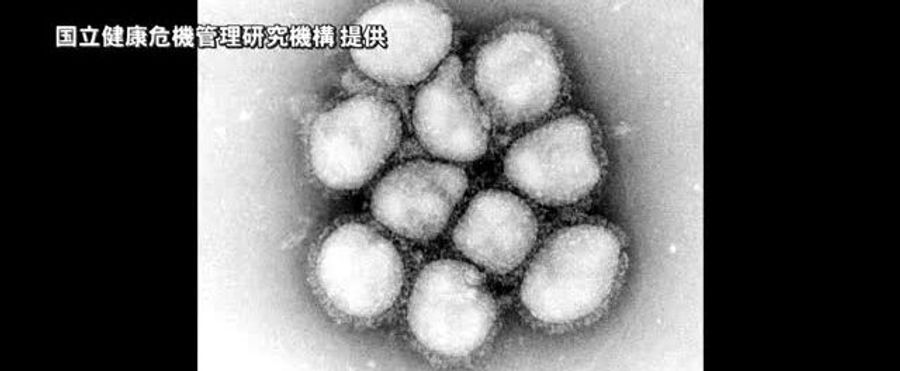
The capital city of Japan, Tokyo, has issued a cautionary note for an imminent influenza outbreak. The metropolitan government urges residents to beware of the spreading virus and take preventive measures. Having noticed a recent spike in flu-like symptoms reported in various districts, authorities are stepping up the public health measures. The timeline, intensity, and additional implications of the outbreak are yet to be disclosed by the officials.
Japan has an efficient healthcare system that frequently issues alerts to citizens about potential health risks, like influenza. People in Japan usually follow such warnings seriously, as they are respectful of authority and deeply care about community health. Japanese culture emphasizes societal welfare over individual freedom in such matters. It is common to see people wearing masks and sanitizing their hands, especially during influenza seasons.
Comparatively, in the US and EU, while health alerts do exist, the population's reaction may vary. In the US, individual freedom is highly valued, and response to such warnings may not be as unanimous as in Japan. EU countries may follow more similar practices to Japan, especially observing mask-wearing and hygiene practices. However, Japan's societal cohesion in such circumstances often stands out.