
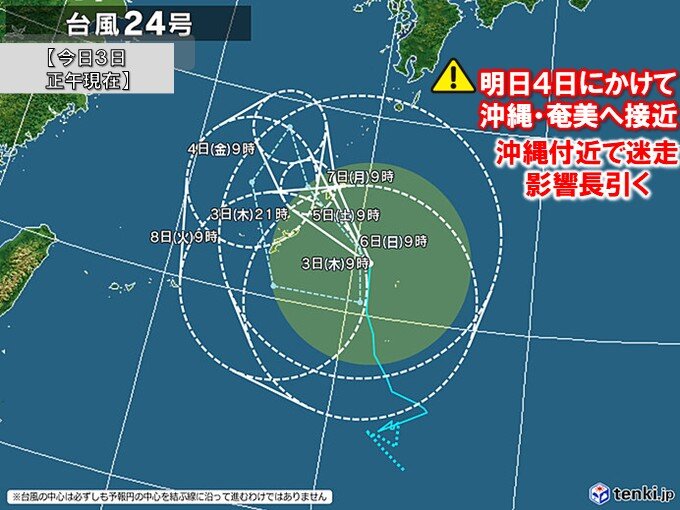
The Japan Meteorological Agency has issued a warning suggesting that the Kanto region, the most populous area of the country, which includes Tokyo, could be hit by heavy rain around the 21st due to the influence of an approaching typhoon. While the exact trajectory of the typhoon remains uncertain, it has the potential to cause substantial flooding and disruptions. Residents are urged to stay updated on the latest forecasts and prepare for the possibility of inclement weather.
In Japan, news about typhoons is taken very seriously. The country's coastal terrain and archipelagic geography make it particularly prone to such storms. Besides being a potential threat to lives and properties, typhoons also have significant implications for Japan's agriculture and fishery sectors, which play essential roles in the country's food supply and economy. Therefore, advance warnings, safety protocols, and disaster preparedness are emphasized heavily.
Much like how the US monitors and prepares for hurricanes, and how EU countries often prepare for extreme weather events like heavy snowfall or heatwaves, Japan has a well-established system for anticipating, combatting, and recovering from typhoons. However, due to different geographical and weather factors, the nature of these storms and the response strategies do vary significantly.