
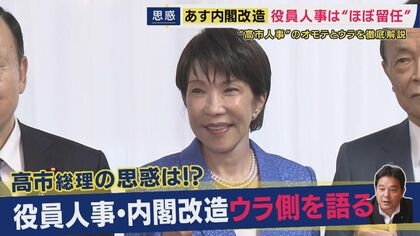
Amidst the so-called 'Cabinet Ice Age,' discontent brews among veteran members of Japan's ruling Liberal Democratic Party (LDP). The term refers to a prolonged period where certain political figures are not included in the cabinet reshuffles, thus remaining out of the government's central decision-making body. The exact triggers of this dissatisfaction are not stated, but it's commonplace for such grievances to emerge due to perceived lack of representativeness or shifts in political direction.
In Japan, political stability and party unity are highly valued. Therefore, public expressions of dissatisfaction among party members can significantly impact the reputation of the party. 'Cabinet Ice Age' also resonates with the age-old Japanese norm of valuing seniority, and ignoring this could spark discontent.
In the US or EU, intra-party squabbles and shifts aren't uncommon and may not carry the same level of stigma as in Japan. There's a higher tolerance for public expressions of dissatisfaction among party members, and such disagreements can sometimes lead to the formation of new parties or robust policy discussions.