
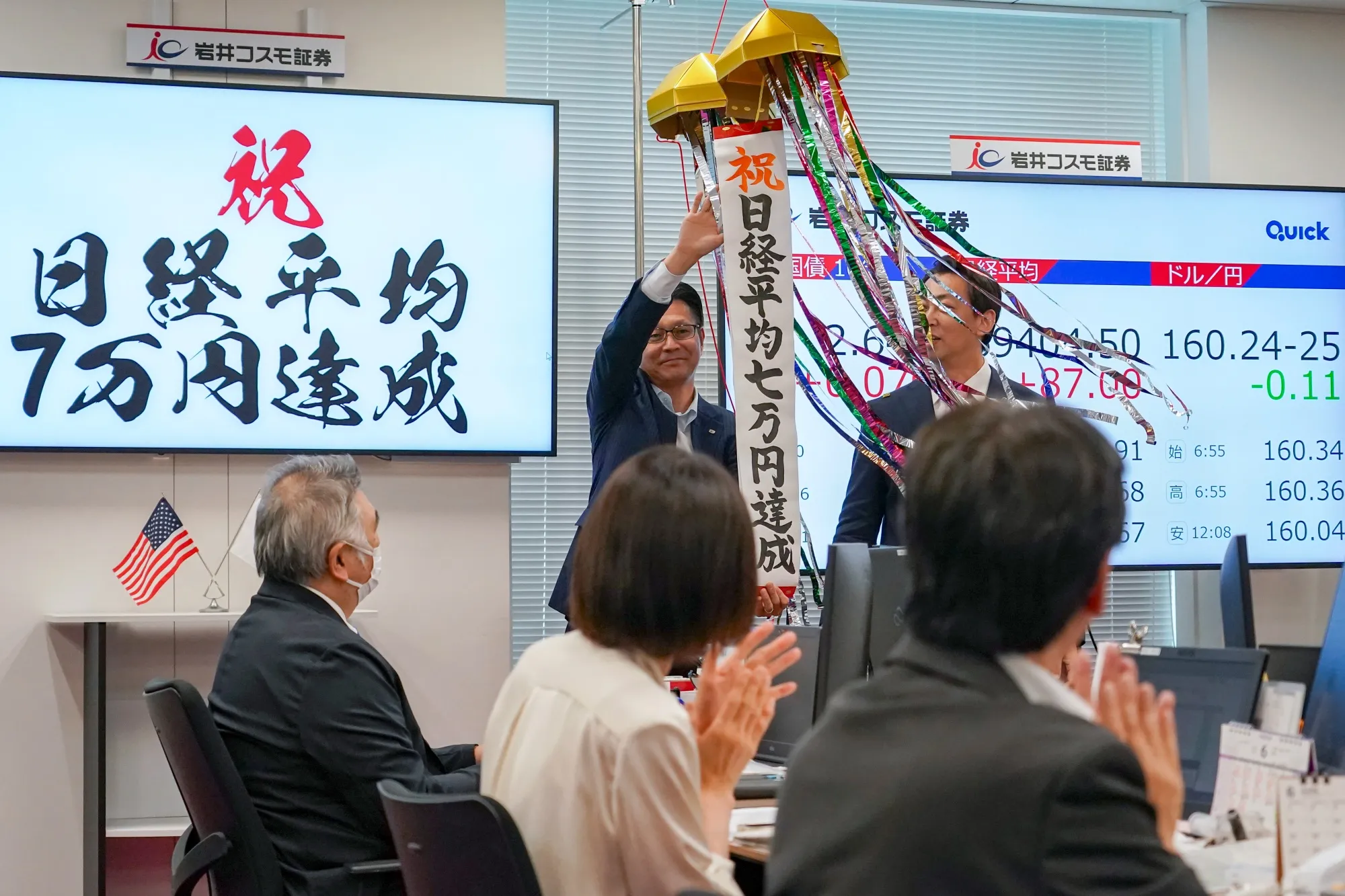
Japan's economy is reportedly experiencing its longest post-war expansion, marking a notable milestone. However, this robust growth seems to have had limited impact on public sentiment, which remains largely unchanged. The reasons behind the unimpressed response of the public are yet to be examined comprehensively, but some factors may include income disparity and stagnant wages. The effect such economic growth may have on the political landscape of Japan is also a focus of interest for observers.
Japan has long grappled with issues of wage stagnation and growing income disparity, despite being the world's third-largest economy. The fact that this economic growth isn't resonating amongst the citizens may reflect these longstanding societal issues. Notably, Japanese society also places a high value on equity and social cohesion, and such unbalanced economic outcomes can sometimes be viewed negatively.
In the US and EU, strong economic indicators often go hand in hand with positive public sentiment. However, just as in Japan, it's not always the case. Income inequality and lack of substantial wage growth can decrease the general public's perception of economic success, even when high-level economic indicators are healthy.