
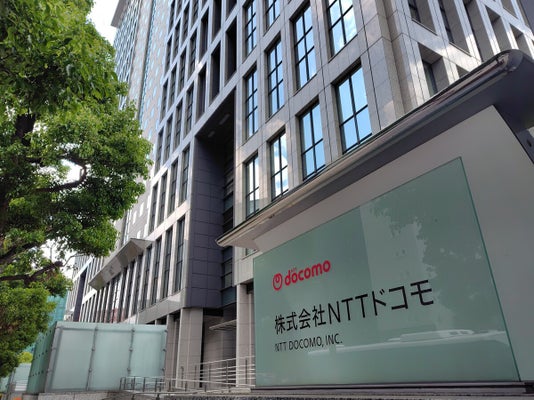
Japan's leading mobile phone operator, NTT Docomo, is under scrutiny following the unsolicited provision of personal data belonging to approximately 340,000 customers. The data leak, the scope of which became public recently, has sparked concerns over the company's data security measures. While the precise nature of the disclosed information remains unspecified, the company is urgently investigating the situation and has pledged to improve its privacy protection protocols.
Privacy is a deeply valued aspect of Japanese society, and unauthorized data sharing like this is taken very seriously. It can be a blow to a company's social reputation and a cause for public mistrust. There are rigorous regulations in place aimed at ensuring personal information management, such as the Act on the Protection of Personal Information.
Similar issues in the US or EU would be handled with equal importance and urgency, with potential legal penalties in case of negligence. Regulatory bodies, such as the Federal Trade Commission (FTC) in the US or the Information Commissioner's Office (ICO) in the UK, may step in to take enforcement action. The company would typically be expected to notify the affected individuals and advise them on preventative measures against potential identity theft or fraud.