
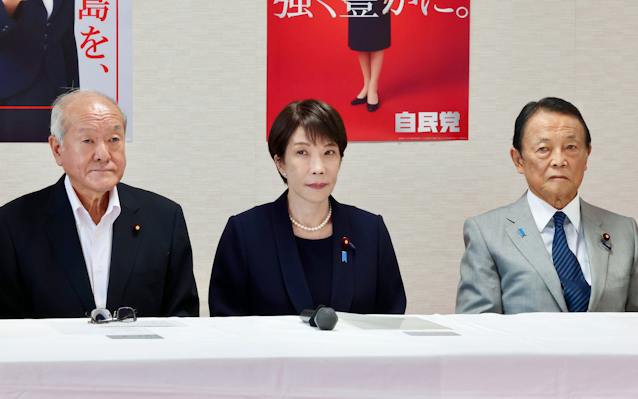
The Japanese Cabinet, in a landmark decision, has agreed to impose a 1% consumption tax on food items. The move aims to boost the country's economy by generating additional revenue. Although the decision was met with mixed reactions, the government believes this level of tax is both sustainable and necessary, and will ultimately benefit the national economy.
Japan has been continually striving to boost its economy while tackling its enormous public debt. The government's decision to tax food items might be met with objections from parts of society as it may affect the day-to-day life of citizens, particularly lower income households. However, some people view this move as an important tool to drive the economy forward and combat the long-standing fiscal concerns.
In contrast, many EU countries apply a reduced or zero VAT rate on certain food items that are considered basic necessities, acknowledging the potential burden such taxes could place on less advantaged households. Similarly, in the U.S., some states exempt food purchased for home consumption from sales tax or apply a lower tax rate.