
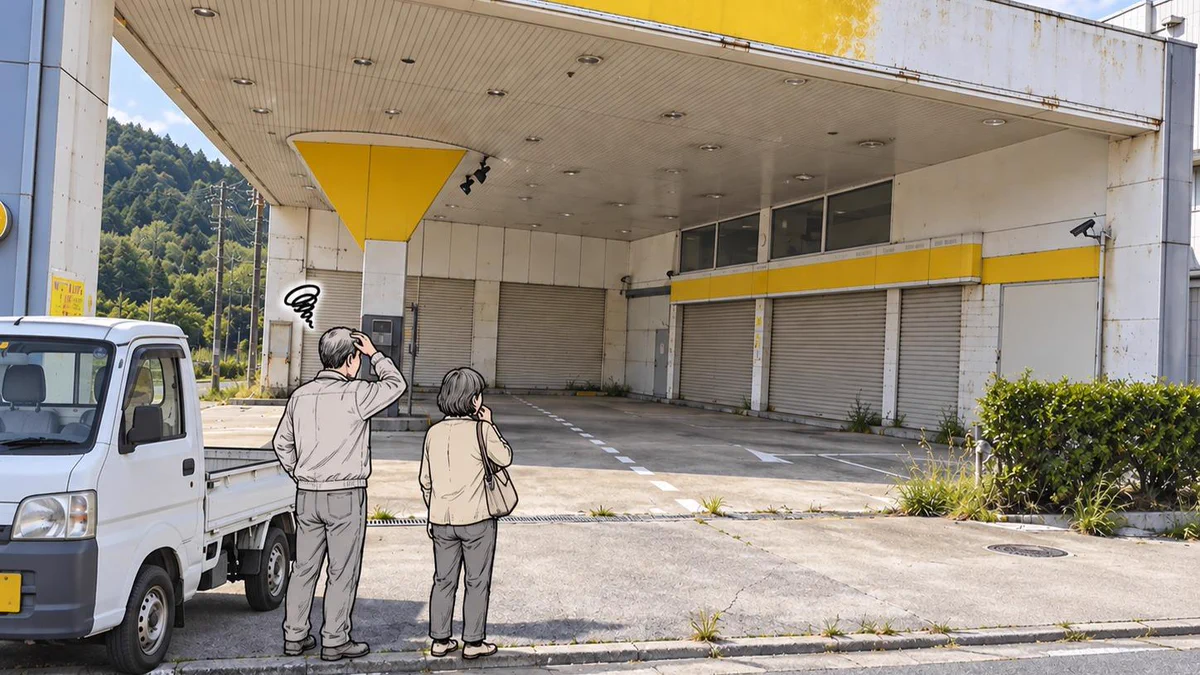
An increasing number of gas stations in Japan are shutting down, putting municipalities on the spot to offer assistance. Though the report doesn't mandate any specific timeline, there's an alarming urgency signaling a swift course of change. The reasons behind this trend may be a mix of economic issues, urban development, and changing transportation habits. Amidst these shifts, local government bodies are grappling with how best to support the impacted communities and the closed-down businesses.
In Japan, local gas stations play a significant role not just in the economy but also in community interaction and support. This reported acceleration in shutdowns could impact not only local economies but also the societal fabric, bringing forth concerns related to community engagement and support. It is also reflective of wider issues such as urbanization and practicality of personal vehicle ownership in denser city environments.
Just like in the US or EU, the local economy in Japan heavily relies on stable small to medium-sized businesses, including gas stations. However, the societal impacts of their closure might be more perceptible in Japan due to the intimate interconnectedness of business and community life. While the EU and US might focus more on employment rates or economic indicators, Japan might also ponder the effects on societal harmony and local community support.