
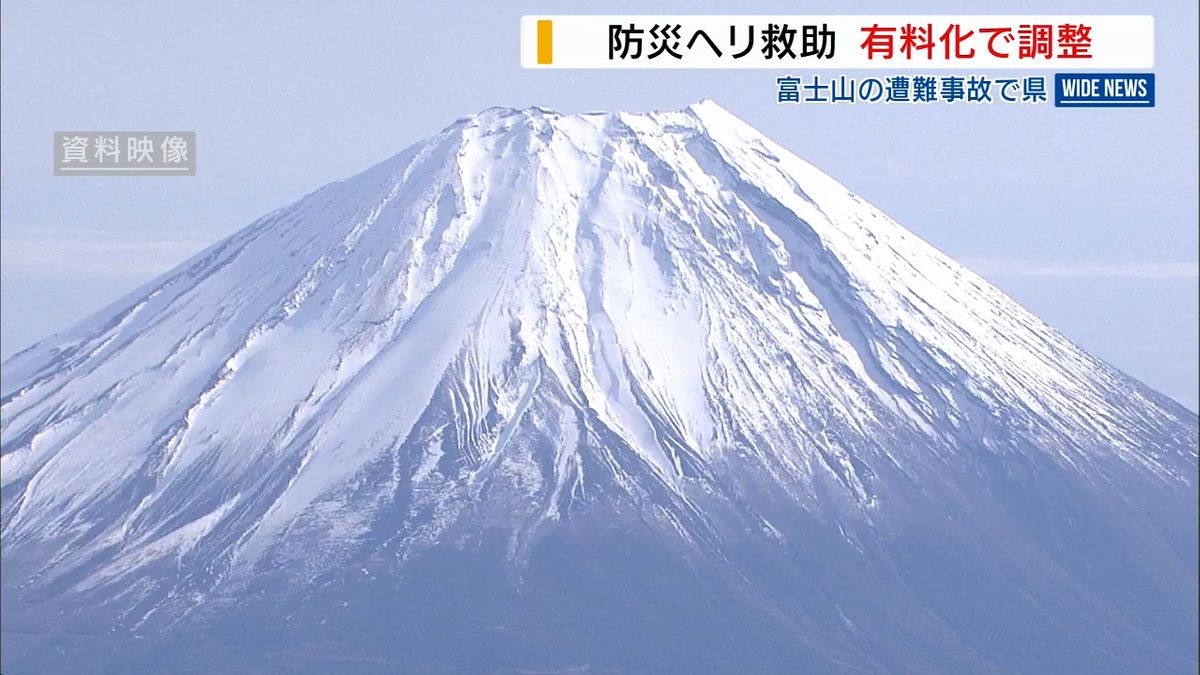
The iconic Mount Fuji, which is currently closed to climbers, is making headlines as the Japanese administration gears towards introducing pricing for helicopter rescue services on the mountain. The move is intended to mitigate risks and discourage reckless behavior from hikers who may overestimate their capabilities or underestimate the challenges of climbing Japan's highest peak. While the exact costs and implementation details are still under consideration, this new proposal could lead to significant changes in Japan's mountain rescue operations.
Mount Fuji is not just a popular touristic spot but also holds a cultural and spiritual significance within Japan. With the increasing number of accidents and rescues on the mountain each year, Japanese citizens have been voicing concerns about the safety of climbers and the strain on public resources. The proposed policy reflects the value Japanese society places on caution, individual responsibility, and respect for natural environments.
In the US or the EU, charging for rescue services in national parks or mountainous areas is not uncommon. In Colorado, USA, for instance, hikers can voluntarily purchase a CORSAR (Colorado Outdoor Recreation Search and Rescue) card to contribute to emergency services. In parts of the EU, mountain rescue insurance is often recommended for hikers.