
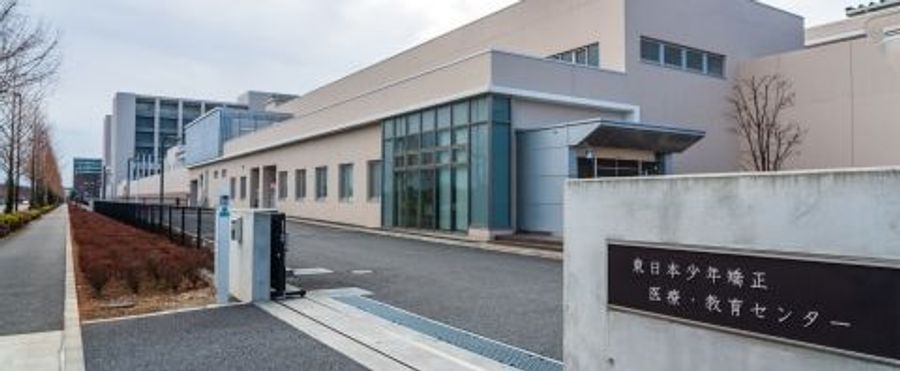
Recent trends indicate a notable increase in children being admitted to juvenile institutions in Japan. Such institutions are designed for minors who committed offenses that are punishable by law, but due to their age, they can't be held entirely responsible. The cause behind this surge is not yet fully understood, but experts point to various societal and family issues.
In Japan, growing attention is being paid to children in need of protection or discipline who often land in the juvenile justice system. The country is grappling with how to address underlying challenges, such as family dysfunction, poverty, neglect, and education gaps, that contribute to children's behavior. Therefore, this news piece deals with fundamental societal values such as child welfare, law and order, education, and social justice.
The issues being faced in Japan are not unique and are seen in many Western countries including the US and EU. However, the approach varies significantly. In the US, for example, the objective of the juvenile justice system is to rehabilitate rather than punish, with a focus on community-based programs. In EU, many countries like Sweden and Denmark also focus on children's rights and emphasize educational measures rather than sanctions.