
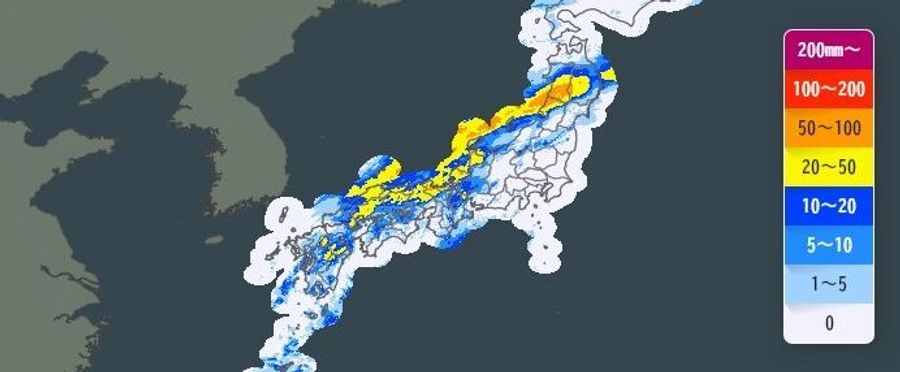
Japan's seashore areas are bracing for severe weather conditions, with anticipated heavy rains and thunderstorms. Authorities are stressing precaution and vigilance to residents, advising them to stay indoors if possible. This alert extends to fishermen and maritime operators as well, owing to the potentially dangerous sea conditions. Weather warnings and advisories were issued earlier, and people are being urged to monitor updates frequently.
In Japan, weather related news is handled very seriously as sudden natural disasters frequently occur, and weather notifications like this are not uncommon. The Japanese society values safety and social unity during times of distress; they pride themselves on swift and efficient responses to such events. Governments and community centres usually organize disaster drills and run emergency preparedness campaigns. In such scenarios, all sectors provide cooperation, including the elderly who are often considered more vulnerable during extreme weather events.
Similar to Japan, the US and EU also enact severe weather warnings, urging citizens to take preventative safety measures. However, the level of preparedness and efficiency may vary. In the US, the response to weather warnings can be fragmented due to its vast area and variations in state-level administration. In the EU, countries like the Netherlands are adept at managing environmental threats due to their geography and historical experiences.