
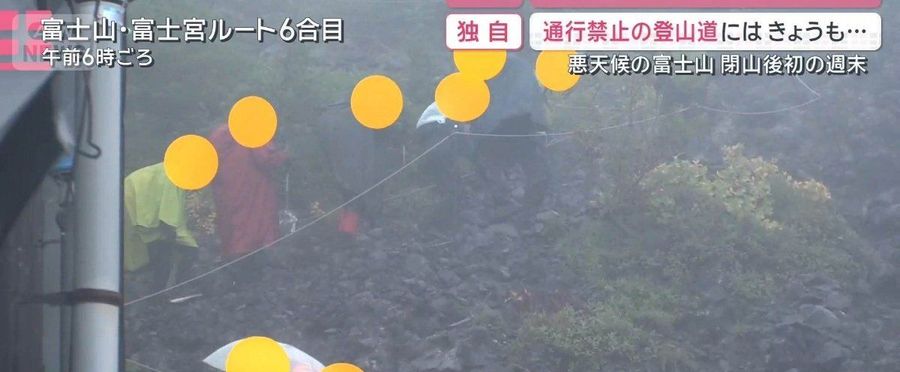
Despite the end of the official climbing season, Mount Fuji continues to attract international group tourists. Every year, Japan's highest peak is open for climbing from July to early September, but it has now developed as a year-round attraction. Even offseason, tourists visit for attractions like hiking trails, nearby lakes, museums, shrines, and unparalleled winter views of the snow-capped summit.
Mount Fuji is not just a popular tourist destination in Japan but also a symbol of the nation, representing its natural beauty and cultural significance. The mountain's off-season attraction has resulted in a steady tourism flow supporting local businesses and contributing to the economy. In Japan, preserving cultural and natural landmarks while promoting respectful tourism is highly valued, which is evident in the case of Mount Fuji.
In the US or EU, places like the Grand Canyon or the Alps attract visitors year-round, much like Mount Fuji. Accessibility and activities such as sightseeing, hiking, skiing, and visiting cultural landmarks drive off-season tourism. Stewardship of these natural sites reflects the shared recognition of their cultural and environmental importance worldwide.