
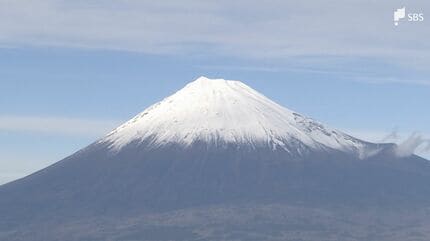
The Japanese government is considering the implementation of mandatory climbing permits during Mount Fuji's closed season. This notion comes as a response to climbing risks and environmental concerns associated with the popular tourist activity outside of the official climbing season, from September to June. Exact details on how the potential policy will work or when it will be enforced are yet to be revealed.
Mount Fuji, revered as a sacred site, is central to Japan's cultural and spiritual identity. Its peak season, from July to early September, is regulated with safety measures. Off-season, however, many adventure-seekers still attempt the climb, often underestimating weather conditions and environmental impacts. Therefore, measures like mandatory climbing permits are seen as a plausible solution to maintain safety, respecting both the mountain's sanctity and protecting local biodiversity.
In the US and EU, official permits or fees are often required to access popular or hazardous terrains, serving as a means to control crowd size and minimize human impact on ecosystems. Similar considerations for Mount Fuji align with global best practices and indicate Japan's commitment to protecting both its citizen's safety and its iconic landmark.