
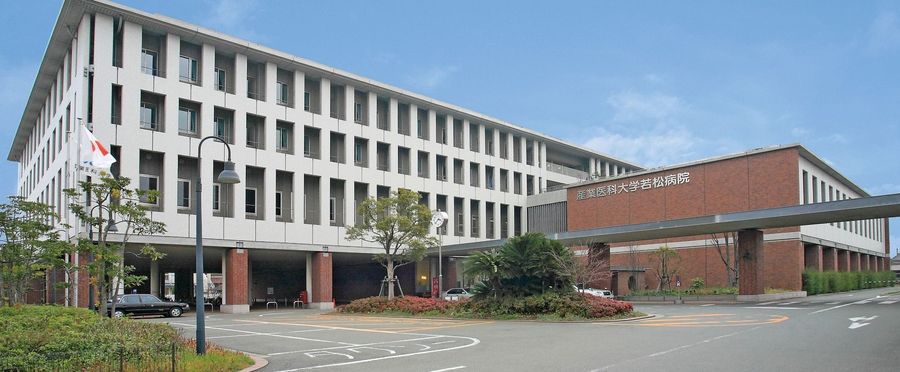
Several branches of university hospitals in Fukuoka, Japan continue to close, sparking concerns over the healthcare system's capacity to address the medical needs of its populace. Despite the local government’s efforts to prolong operations, financial difficulties and resource strains have, unfortunately, resulted in closures. The local community is experiencing the impact of these closures, leaving many to question Japan's healthcare policies and strategies.
The closure of hospital branches in Japan, particularly university hospitals, is of significant concern to the populace, as such hospitals typically provide top-tier medical care and services. Many citizens rely on these hospitals not only for access to general and routine healthcare but also for specialized treatments. Therefore, these closures could potentially lead to a gap in the provision of healthcare services and are seen as symbolic of greater systematic issues within Japan's healthcare system.
In the US, for instance, hospital closures are often viewed as systemic failures in healthcare management and funding. While there is an ongoing debate about the balance between healthcare as a commodity and a right, the general public sentiment tends towards assuring the availability and accessibility of healthcare services. Similar discussions would be found in the EU, though with stronger emphasis on healthcare being an entity's right.