
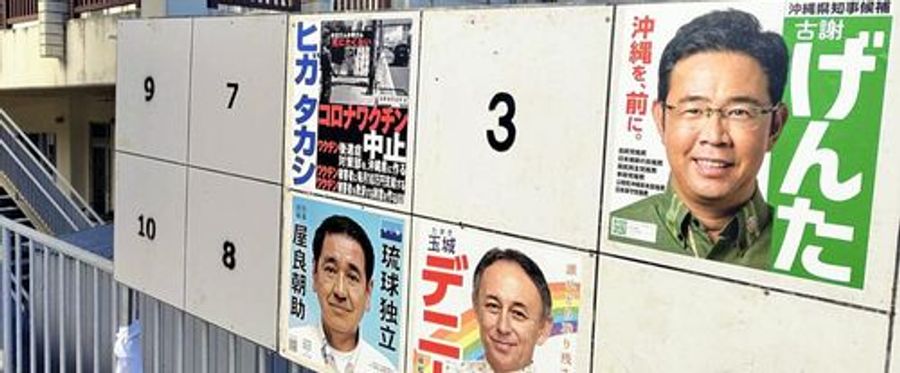
Okinawa's gubernatorial election has been swept up in controversy, as fake news has started to spread rapidly. Candidates and their supporters are scrambling to address the situation, which has thrown the election into disarray. The phenomenon, increasingly common in elections across the globe, has swamped social media platforms with misinformation, often with confusing or controversial narratives.
False information spread during elections has become a serious issue in Japan, with considerable concern over the effects on democracy and electoral integrity. Japanese citizens generally value honesty, transparency, and propriety in their politicians, so such misinformation can significantly impact public opinion and election outcomes. Laws regulating online content are still under consideration, so the responsibility often falls on tech companies or the public to fact-check information.
Much like the United States and the European Union, Japan is witnessing the significant impact of disinformation campaigns on political processes. In the US and EU, fake news has been identified as a crucial factor in influencing voters' decisions, often leading to heated debates and divisions. While legal and regulatory responses to this problem vary, there is global acknowledgement of the need for more robust ways to deal with this issue.