
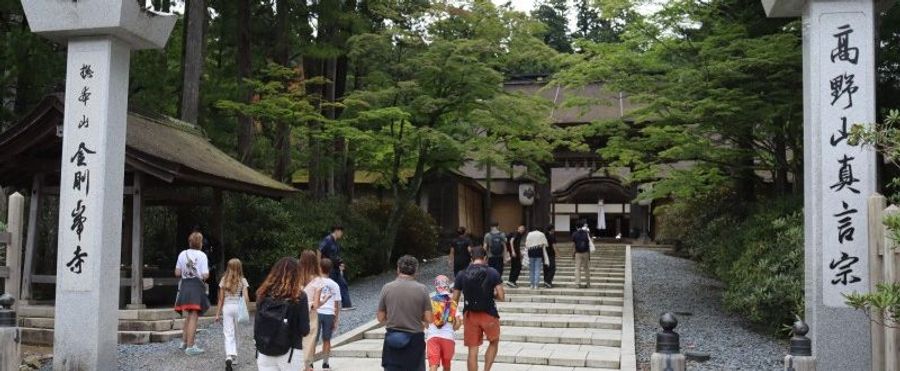
Authorities have begun conducting investigations into potential tax omissions declared by lodging temples, also known as Shukubo, in Mount Koya/Koyasan, one of Japan's sacred sites. It's alleged that these religious institutions may have failed to report group bookings in their tax filings. Investigations are ongoing and the implicated temples are fully cooperating with the tax authorities.
In Japan, tax evasion, even if presumed non-intentional, is taken very seriously as it goes against ingrained values of honesty, integrity, and social responsiblity. Shukubo's potential involvement further heightens public interest, as these monasteries are highly respected and traditionally associated with probity. The public will closely watch this process for signs of transparency and fairness in the enforcement of tax laws.
Issues of tax evasion by non-profit or religious institutions are handled quite similarly in the United States and EU. These regions also maintain stringent tax laws, and any allegations of dodging tax requirements by respected institutions would likewise trigger investigations and evoke substantial public interest. Transparency in tax practices and the equal enforcement of tax laws is a global concern and expectation.