
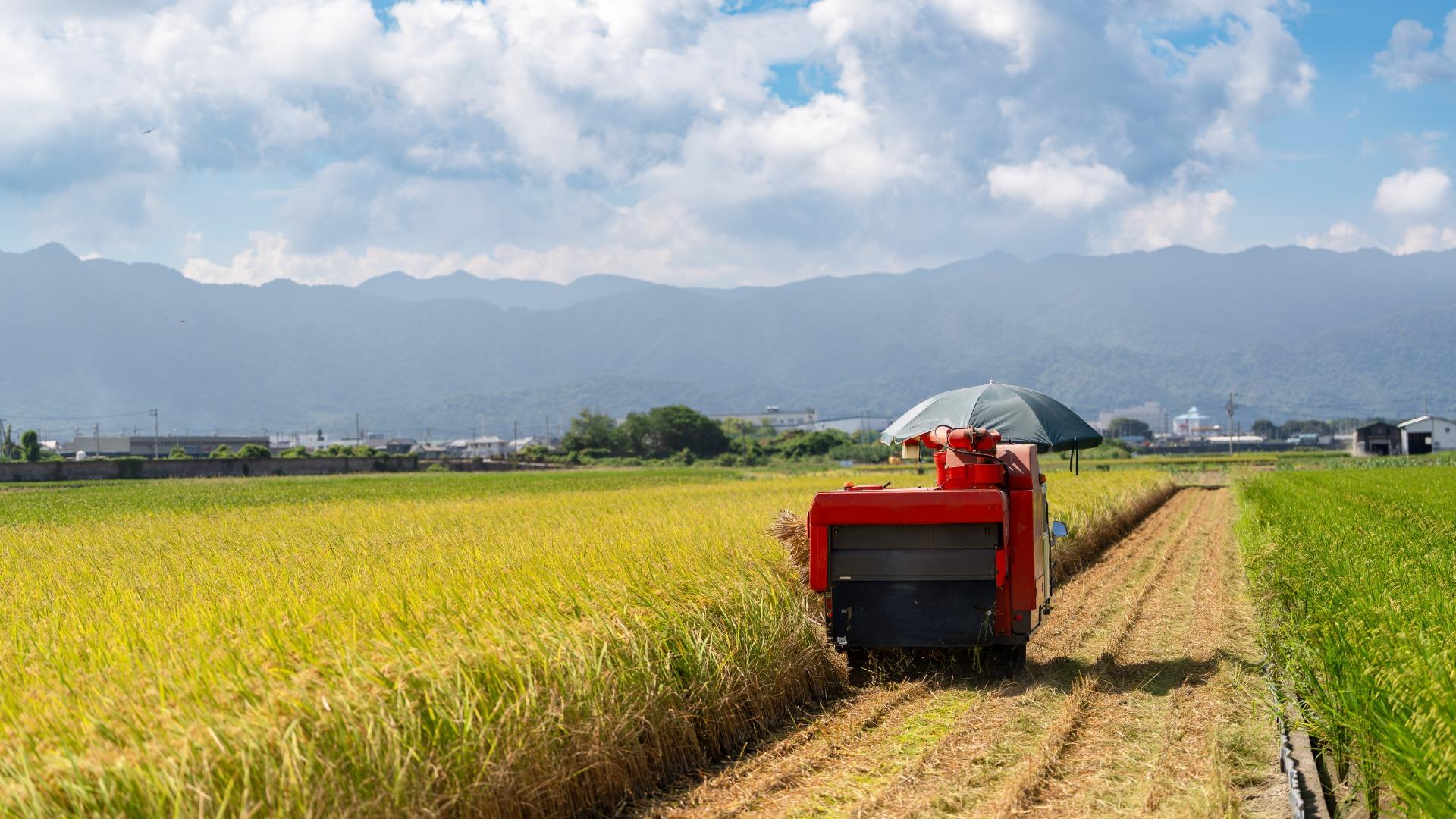
The rate of retirements among Japanese rice farmers has reached an all-time high, highlighting issues surrounding Japan's traditional industry. Major factors behind this trend include an aging population, urban migration, and insufficient income from farming. Without a new younger generation taking over, Japan's domestic rice production may face serious threats in the near future.
Rice holds a significant place in Japanese society for both economic and cultural reasons. It is deeply rooted in Japanese tradition, from food culture to rituals, and the decline in rice farming signifies a major societal shift. There are ongoing debates on government policies and social support to sustain this industry due to its impact on rural economy and self-sufficiency.
In regions such as the US and EU, agribusiness also faces similar challenges, such as an aging farming population and youth migration to cities. However, solutions differ throughout these regions, ranging from subsidies for farmers, promotion of organic farming, and use of modern technology in agriculture.