
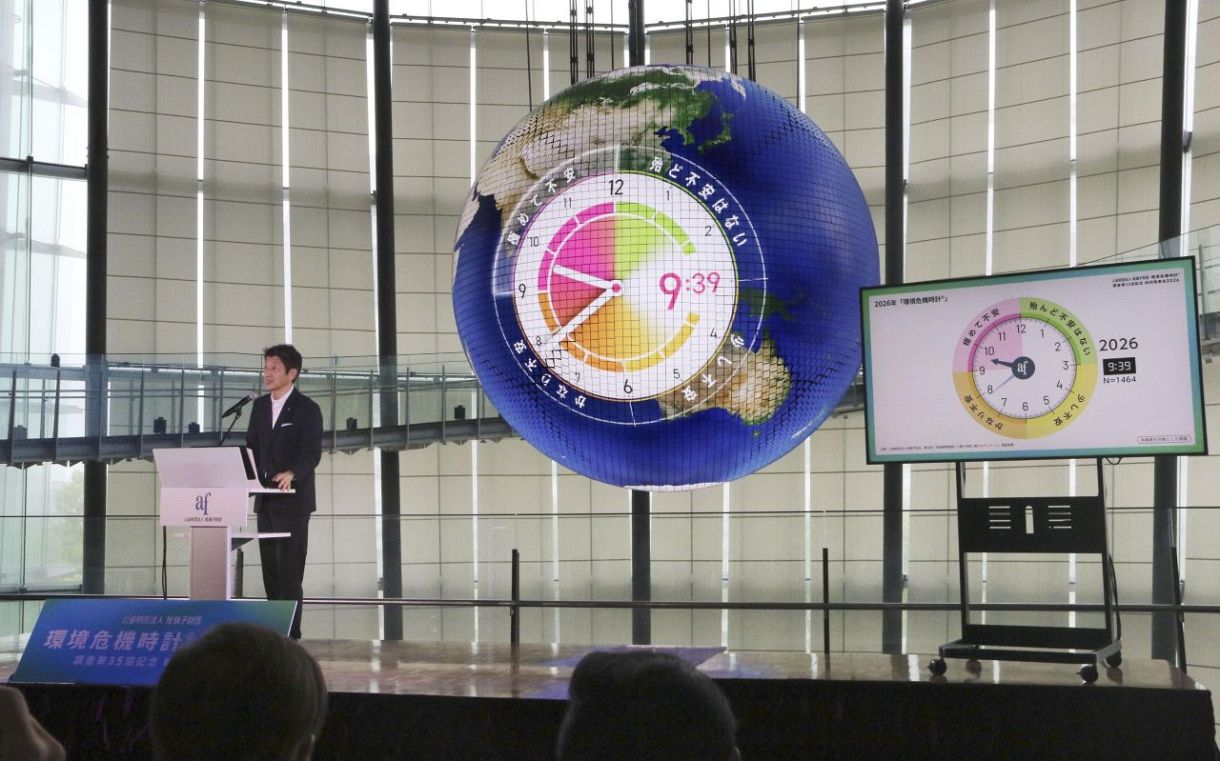
Japan's symbolic "Environmental Crisis Clock" has moved forward by 6 minutes from the previous year, indicating a hastening in the urgency of the country's environmental concerns. This metaphorical clock, calculated using various environmental indicators, serves as a stark reminder of the looming threats posed by climate change and other environmental issues. The movement underscores the need for immediate and profound efforts towards sustainable practices.
Environmental concerns are pressing in Japan, with citizens growing aware of the harmful effects of climate change, pollution, and waste. The shifting of the Environmental Crisis Clock is taken seriously as it reflects the state of the country's environment and impacts upon various aspects such as agriculture, fisheries, and disaster prevention. It is also relevant to future policy-making and the legal framework surrounding these areas.
In the US and EU, there are similar indications of environmental urgency, such as the "Doomsday Clock" maintained by scientists. These measure global threats, notably nuclear risk and climate change. However, it can be argued that Japan's Environmental Crisis Clock resonates more with the public due to its national focus, making it a potent driver for changes in behavior and policy.