
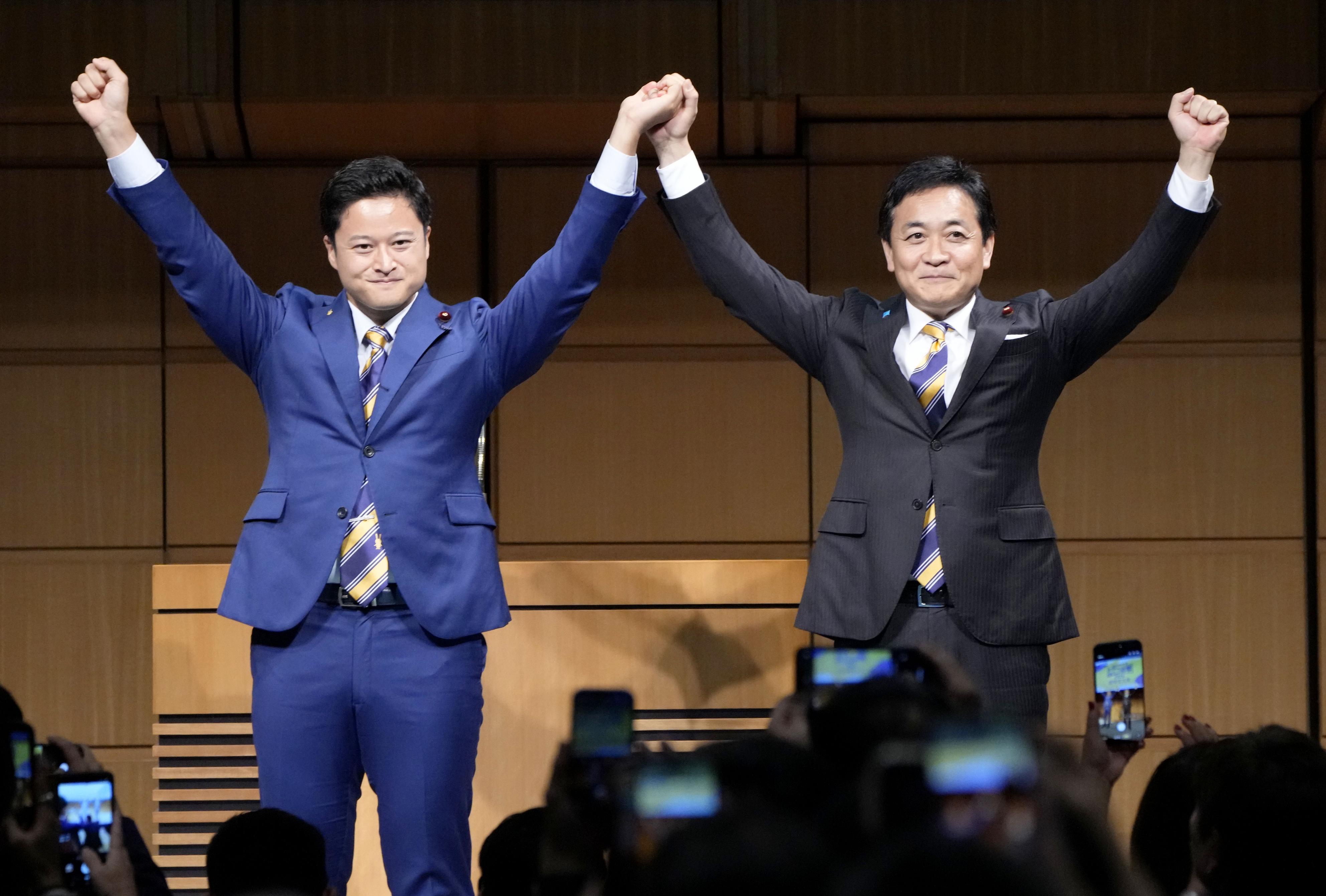
In a significant political development, Yuichiro Tamaki has been re-elected as the leader of Japan's opposition party, the National Democratic Party (NDP), for a third term. The announcement was made following the outcome of the representative election held recently. Yuichiro Tamaki's triumph is seen as affirmation of his leadership, signaling that party members continue to trust his political strategy amidst the complex political landscape in Japan.
The role of the opposition in Japan is deemed critical in providing checks and balances to the ruling party. Thus, the leader of the main opposition party often garners significant public and media attention. In recent years, the NDP has been striving to solidify its position and strengthen its strategies against the ruling party. Tamaki's re-election suggests that party members appreciate his efforts toward building a viable alternative to the ruling party.
Just like in the US or EU, the leader of the opposition in Japan plays a crucial and symbolic role in politics. As in the Democratic or Republican leadership races in the US, or party leader elections in the EU, the selection of the leader gives signals about the party's overall priorities, policies, and political orientation.