
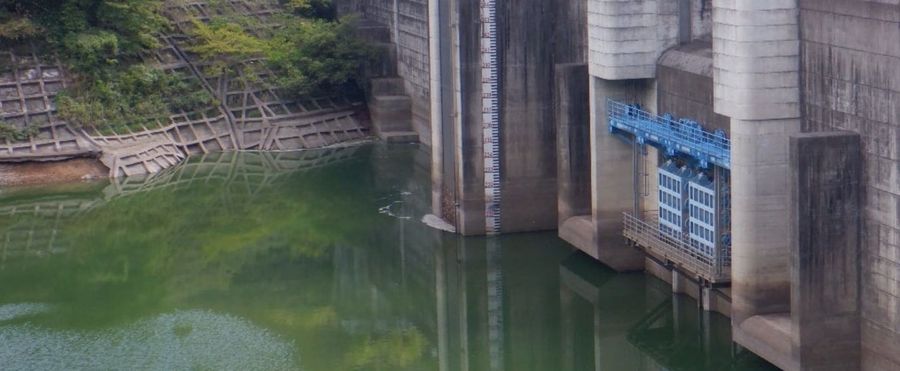
Thousands of smelt fish, also known as "wakasagi" in Japan, have been found dead, raising concerns over the impact of increasingly hot and dry conditions in the country. While investigations are ongoing, this mass mortality event is suspected to be the result of the recent heatwave and drought. Such extreme weather situations are becoming more frequent due to climate change, which is affecting the habitats of fauna and flora, especially sensitive ones like these small freshwater fishes.
In Japan, where people have a greater dependency on nature due to their traditional cultural practices, such events are taken very seriously. Wakasagi are particularly valued as they contribute significantly to the local fish cuisine during the winter and their decrease could directly affect numerous livelihoods. The fate of wakasagi is seen as emblematic of the greater problem of ecological imbalance within the country.
Comparatively, in the US and the EU, there is also widespread concern about climate change impacting biodiversity as well. However, public attitudes and official responses can vary greatly among different countries. They range from immediate actions like imposing fishing restrictions and raising public awareness, to dying species receiving lesser attention or protection measures.