
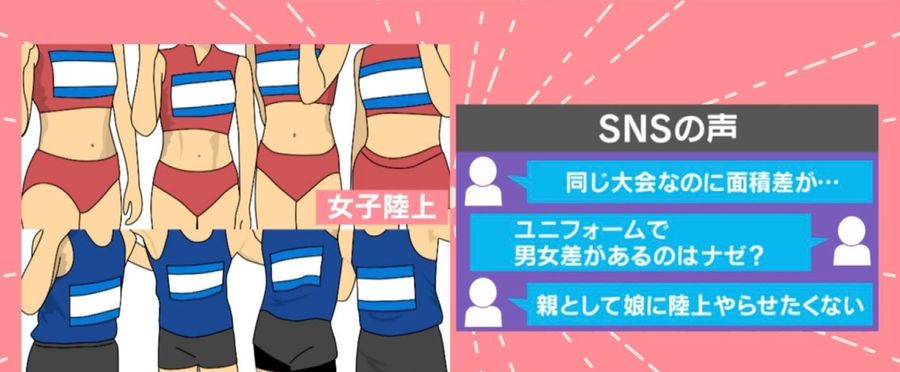
A controversy has been sparked in Japan over the differences in size – called "面積差" or area differences – between male and female uniforms. Critics argue these variations represent an overlooked gender bias carried over from traditional norms. The public uproar has led to extensive online discussions with several stakeholders, including garment manufacturers, schools, and feminist groups, all weighing in on the potential for reevaluating standard uniform designs.
While clothing sizes may seem trivial, they reflect deeper societal values in Japan. Commonly, female uniforms are designed to be more form-fitting, often smaller in size than male counterparts. However, an increasing number of individuals are questioning those standards, pointing out they are rooted in traditional gender roles and might inadvertently contribute to gender distinction and discrimination.
In contrast, Western countries like the US and the EU have seen increasing adaptations of unisex clothing in schools and businesses. Uniforms are focused more on comfort and practicality rather than a delineation of gender. This evolution, however, is a very recent trend and gender biases in clothing are still prevalent globally.