
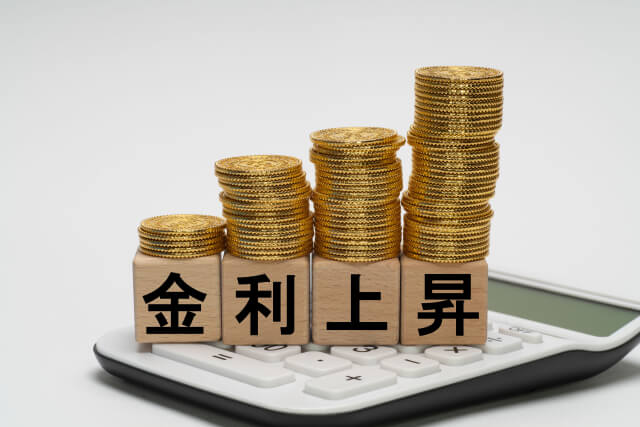
Japan's long-term interest rate hits a weather-changing milestone by breaking the 3% threshold for the first time. This sudden surge marks a significant shift in Japan's financial climate, triggering debates about economic stability and potential repercussions on debt-laden government, businesses, and households. While proponents see this as a sign of recovery, others argue it increases the cost of borrowing and fuels economic uncertainty.
In Japan, which has been grappling with long-standing deflation issues and stagnant economic growth, this interest rate surge could act as a double-edged sword. On one hand, it could denote economic resilience hinting toward possible inflation and growth. On the other, it could burden the high debt Japan's government, businesses, and households are already carrying, affecting spending habits and overall economic health.
In contrast, the US and EU have seen their interest rates fluctuate more frequently, although they have their own economic implications. In the US, Federal Reserve decisions significantly influence long-term interest rates affecting borrowing costs for businesses and consumers, often causing market anxieties. Conversely, the European Central Bank, fighting low inflation, keeps interest rates at bay to stimulate borrowing and investment.