
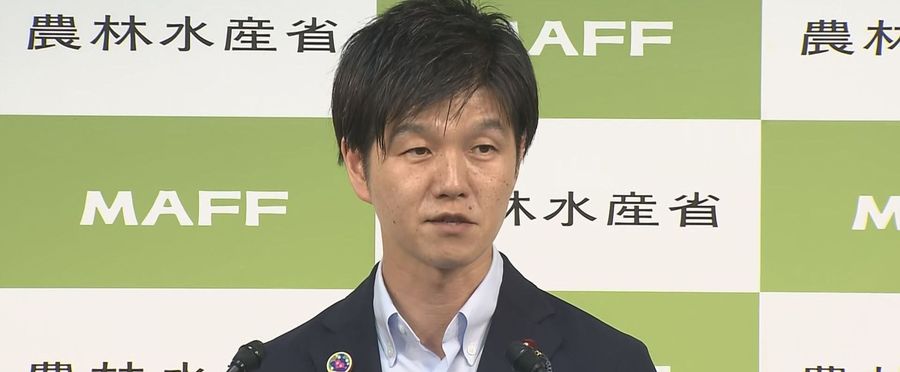
Japan is set to replenish its rice reserves by buying back approximately 210,000 tons this month. The decision, of strategic importance, aims at ensuring the country maintains a stable supply of this staple food, while supporting local farmers and the rice market. This proactive move reflects the nation's intent to be adaptable and responsive amidst variable global economic conditions and potential threats to food security.
The maintenance and replenishment of staple food reserves holds significant importance in Japan, both as a form of economic support to local farmers and safeguarding national food security. Japanese laws also mandate the government to stockpile rice as a contingency against emergency situations or instability. Thus, this news impacts consumers, farmers, and the rice market as a whole, with economic and social implications.
In contrast, the U.S., too, has national strategic reserves for various commodities, including cereal grains, but the scale and functioning mechanism are different, focusing more on securing reserves for potential overseas aid. The EU also maintains food reserves, but its focus is more inclined towards disaster response rather than domestic price stabilization.