
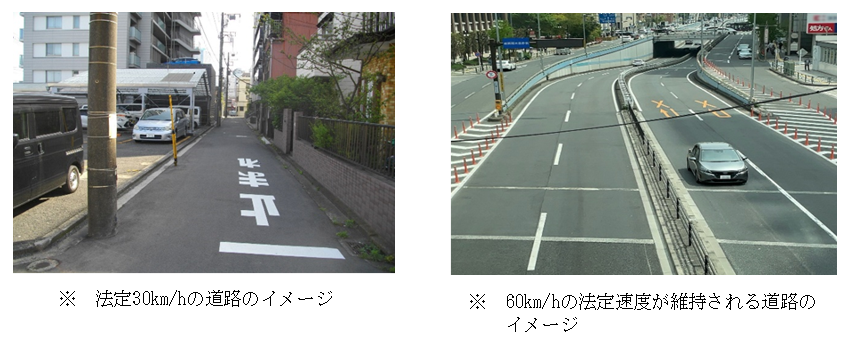
The recent modification in Japanese traffic law has lowered the speed limit on 'Living Roads,' commonly used local streets, to 30km/h. This change promotes safety and a better living environment in densely populated urban areas, particularly those with schools, shopping facilities, or elderly residences nearby. The modification prompts drivers to be more considerate, reducing noise and air pollution and lowering accident risks.
Safety and respect for neighbors are highly valued in Japan, particularly in urban areas where people live close together. Changes to traffic regulations are commonly accepted and fairly smoothly adopted due to residents' high level of social responsibility. The move to reduce speed limits on 'Living Roads' is seen as a positive step towards making the streets safer and more comfortable for pedestrians and residents.
In the US or EU, changes to road regulations often face more controversy due to the emphasis on personal liberties and motorists' rights. While safety measures are still important, public opinion varies more regarding the impact on drivers' convenience. A similar speed reduction might face challenges and require more extensive lobbying and public education campaigns in these regions.