
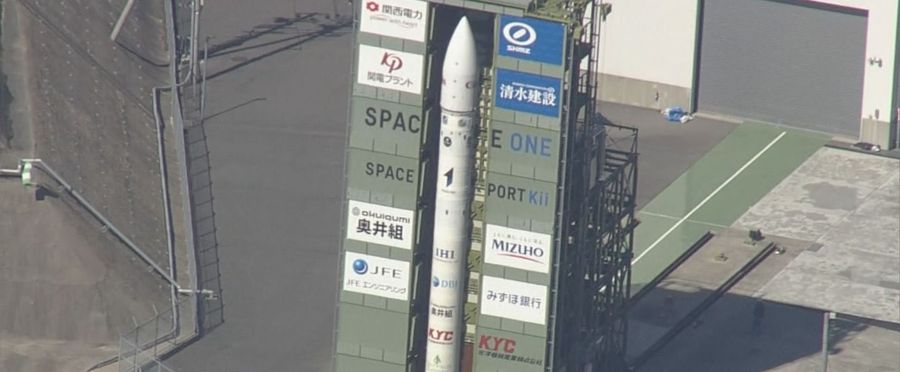
Japanese space technology company has experienced a failure in the third launch of their Kairos rocket series, suspected to be due to an issue with electrostatics. The unexpected event occurred recently, stunning both the company leaders and observers in the field. An investigation into the precise cause is currently underway; however, the early hypothesis points towards an electrostatic build-up causing a malfunction in the rocket mechanism.
Space technology is a growing sector in Japan. Achievements and failures in this sector resonate significantly with the Japanese public, owing to the country's long-held fascination with innovation and the ongoing governmental efforts to advance Japan's space capabilities. The failure of the Kairos 3 launch will likely lead to renewed discussion on technological safety, project risk management, and the future of space technology in Japan.
In the US or EU, failures of space launches, while they can be setbacks, are commonly viewed as learning experiences. Institutions like NASA or SpaceX have had their share of launch failures, and steps to investigate and learn from these experiences are undertaken seriously. They are generally regarded as part of the iterative process of innovation, often leading to improvements in future launches.