
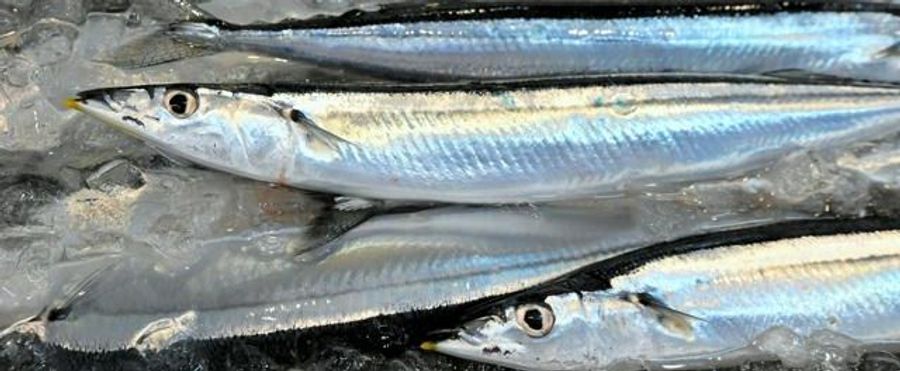
In a startling discovery, bright red threads have been identified inside Pacific Saury (locally known as "Sanma") in Japan. Experts have engaged in intensive research to comprehend the cause and potential implications of this phenomenon. Citizens and culinary enthusiasts alike are paying keen attention to these updates, as Sanma is a popular seasonal delicacy in Japanese cuisine.
For Japan, which is known for its strong culinary culture and stringent food safety standards, this news has engendered widespread curiosity and concern. The Pacific Saury, or Sanma, is not only a high-demand fish for both home cooking and restaurant menus, but it also symbolizes the arrival of autumn–making its safety a major topic in the public sphere. The values at stake are both public health and culinary tradition.
In the US and the EU, any unexpected discovery in commonly consumed food products would warrant similar attention and swift investigations. European and American fish markets regularly conduct stringent screenings, just as Japan does. The potential impact on food chains, ecological systems, and public health would be key concerns.