
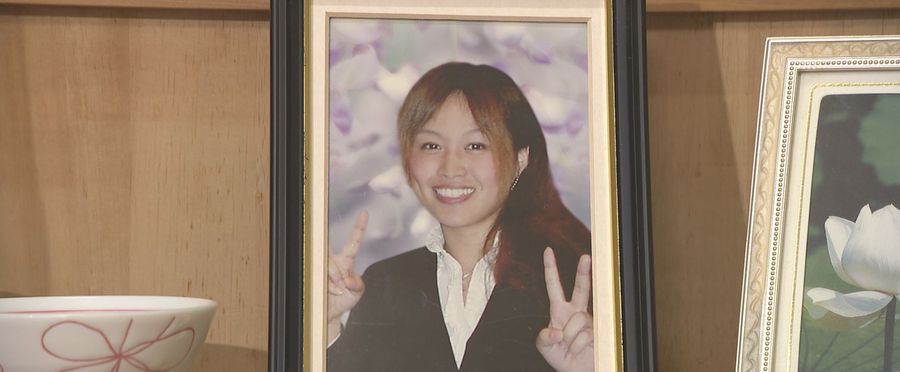
The disturbing unsolved murder of a young girl, dating back twenty years, continues to torment her family in Japan. Despite the relentless efforts of investigators, the identity of the murderer still remains unknown. The failure of the legal system to deliver justice has not only prolonged the family's anguish but also raised serious concerns about the effectiveness of Japan's law enforcement.
In Japan, unsolved homicide cases are quite rare, leading the society to value justice and resolution highly. Such cases that remain unsolved for long periods deeply affect communities and have broader implications for public trust in law enforcement institutions. The Japanese public follows these cases eagerly in hopes of justice for victims and their families. An examination of social norms, the effectiveness of legal and police systems, and community solidarity often follows news of such unresolved cases.
In comparison to the U.S or the EU where the culture of 'cold cases' is more common and often sensationalized in media, Japan's low crime rate and efficient law enforcement mean these prolonged cases are particularly shocking when they occur, leading to intense public scrutiny and often wide-ranging policy debates.