
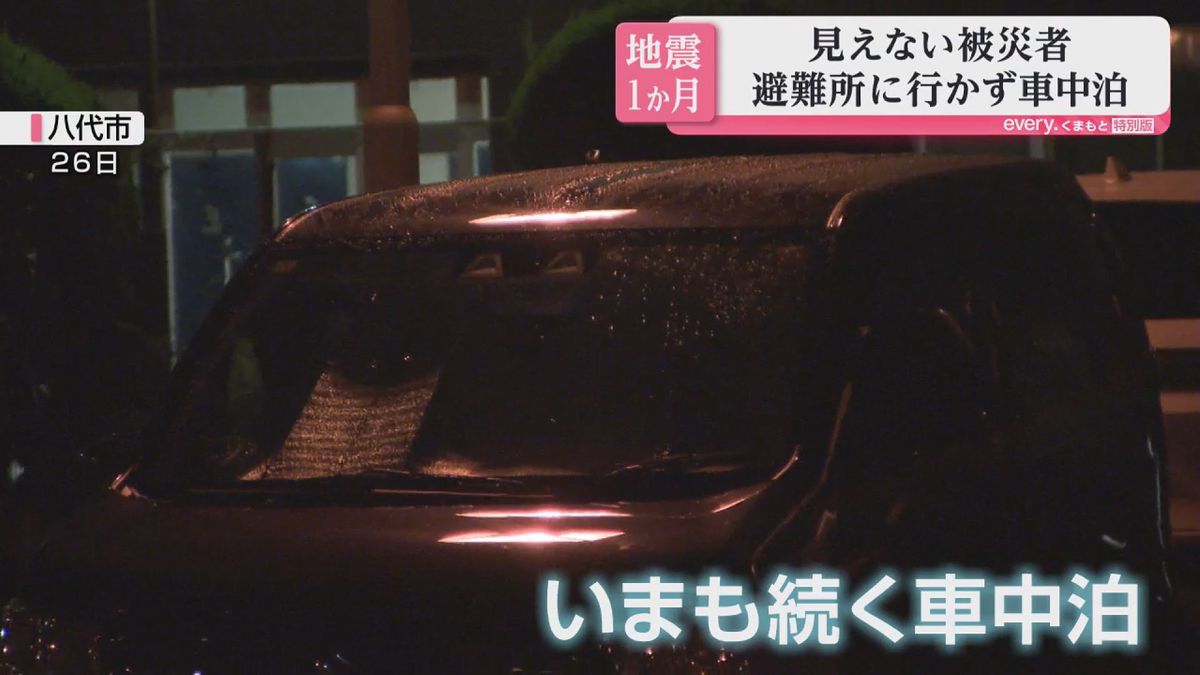
The article explores the phenomenon of disaster victims in Japan who choose not to seek shelter in evacuation centers, despite the numerous dangers and hardships they confront. The report delves into various personal situations explaining why these individuals prefer to battle hardships themselves instead of moving to established aid centers. The motives may comprise factors like cultural attitudes, past experiences, health conditions, and an enduring sense of self-reliance.
In Japan, the efficient and quick disaster response–including provision of well-equipped evacuation centers–is highly valued. However, another deep-rooted aspect of the Japanese culture is 'gaman,' or enduring hardship with patience. Some survivors may choose self-reliance over communal aid due to this value, or to avoid being a burden to others, a potential demonstration of 'enryo' (restraint).
In contrast, disaster response in the US/EU places a strong emphasis on getting every individual to safety, often implementing mandatory evacuations. The idea of refusing a safe, communal space might be perceived as against broad societal norms and less acceptable compared to Japan where a balance of independency and interdependency is valued.