
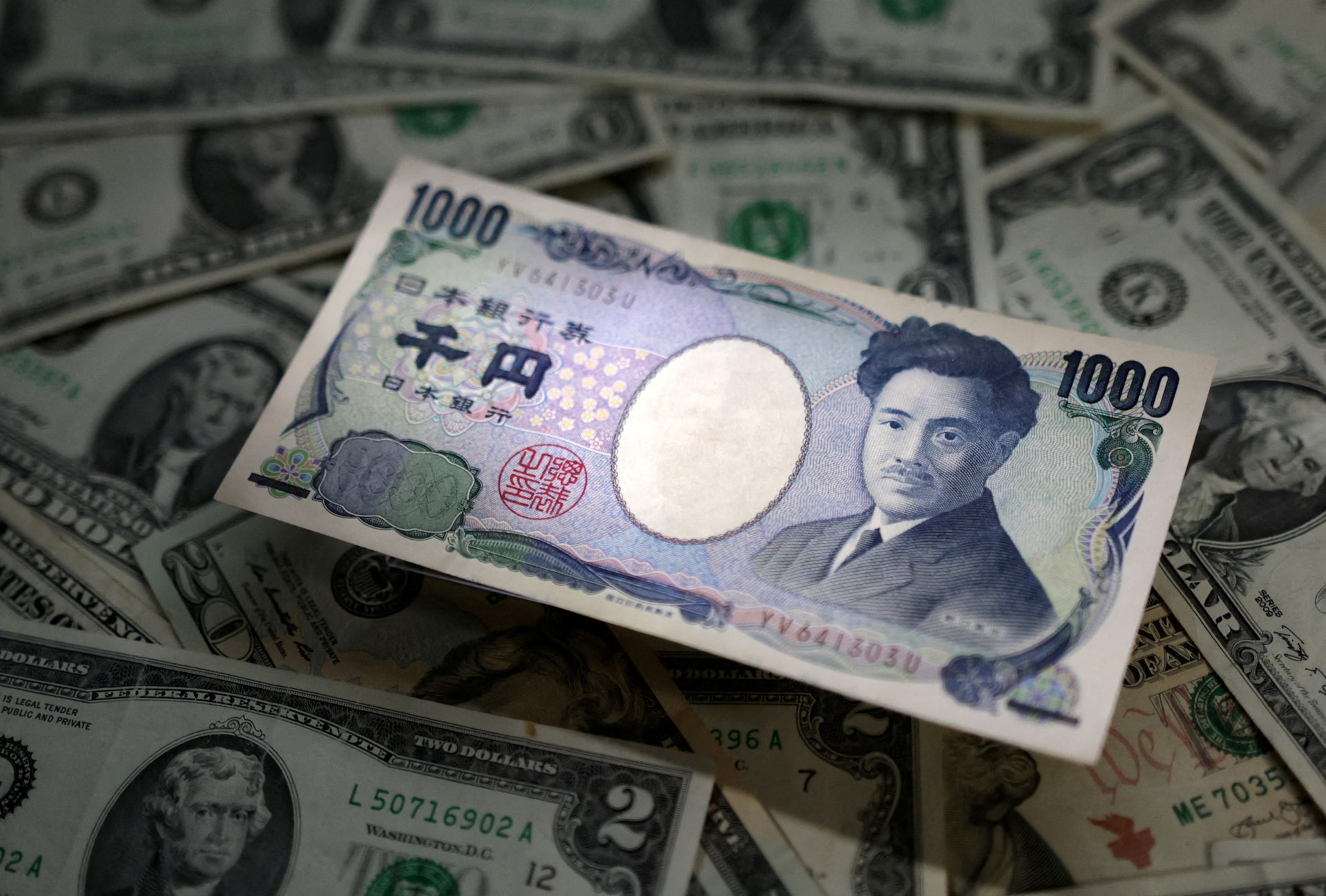
The Japanese Ministry of Finance has engaged in financial maneuvers, intervening in the currency exchange market to a tune exceeding 15 trillion yen within one month. The Ministry's intervention is an attempt to prevent adverse effects on Japan's economy that could be caused by sudden yen appreciation or depreciation. The strategy seeks to maintain stable financial markets and facilitate economic growth.
Financial market stability is a critical concern in Japan, given the country's massive economy and position as one of the world's leading industrial powers. Currency interventions are seen as necessary tools for maintaining this stability, protecting Japan's export-driven economy from harmful fluctuations in the yen's value. On the societal level, such macroeconomic changes can impact households' living costs and the domestic job market.
Unlike Japan, the US, and to some extent, EU nations, typically hold off on direct currency interventions. Their approach relies more on influencing exchange rates indirectly through monetary policy, such as adjusting interest rates. Both tactics aim to stabilize the economy and maintain the country's global competitiveness.