
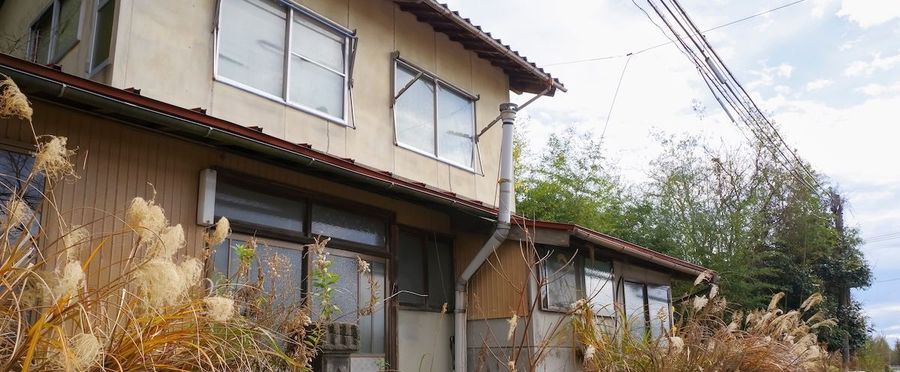
The article talks about a prevalent socio-cultural issue in Japan where individuals spend up to 2 million yen on transportation while taking care of their elderly parents' home after their passing away, known as "jikka jima." While there are no specific dates or locations given, the reporting underscores how the high transportation costs have added to the economic burden of people, especially in the context of shrinking public transportation resources in rural Japan.
The societal expectation of taking care of parents' homes after their death is an integral part of Japanese filial piety. Many adult children commit to making long, expensive journeys to do this, often from major cities to rural areas. The expense often incurs significant stress, especially in a time of grieving. Often, entire villages may have only a limited bus service, and train lines are closing, making the journey difficult and expensive.
In the U.S or EU, the responsibility of caring for an elderly parent's home after they pass is generally shared among all siblings. However, services like estate sales and professional property management are often used to lessen the personal burden. Such services, while available in Japan, are not typically utilised due to societal expectations and values.