
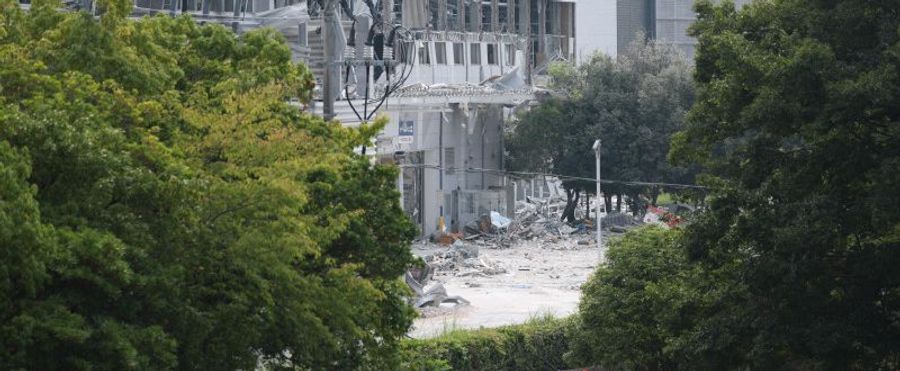
It's been one month since the devastating earthquake hit Kumamoto, Japan, yet around 2500 inhabitants continue living in shelters. While challenges persist, concerted efforts from local authorities and non-profit organizations have ensured safe and sustainable living conditions for the evacuees. The government is working relentlessly to expedite recovery tasks and restore normalcy in the quake-hit prefecture.
Earthquakes are a common occurrence in Japan. Every time a quake strikes, it becomes a matter of national concern. Emphasis is placed on the safety, welfare and rapid recovery of the affected regions. Japan's efficient disaster management system plays an integral part in these situations, working tirelessly to provide aid and relief to the effected citizens and coordinating rescue and recovery operations meticulously.
In the US or EU, national response to natural calamities is also well-coordinated, but the level of preparedness and resilience displayed by Japan often serves as a model. Japan's efficient disaster forecasting, early warning systems, and the societal preparedness ingrained in its citizens set it apart.