
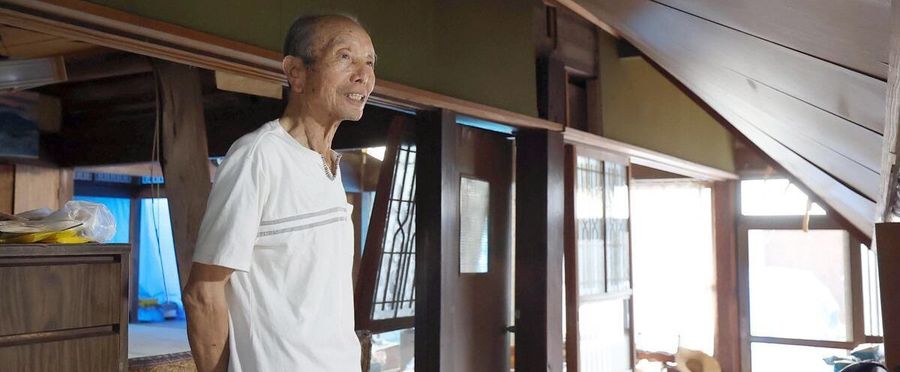
A month after a significant earthquake struck Kumamoto, Japan, more and more homes are observed to tilt and lean towards ruin each day. Severe ground deformation, due to tectonic movements beneath the surface, is largely contributing to the continuing damage. As families look to restore what was once normalcy, official measures to tackle the structural and societal implications of these geological changes are being deliberated.
When such disasters happen in Japan, there is a social emphasis on resilience and rebuilding collectively. The Japanese are known for their meticulous preparedness for earthquakes and their strict building codes. However, the continuous shift in the earth's formation, leading to the tilting of homes, poses an unusual challenge, and people are looking to ever-evolving technologies and construction methods to mitigate further damage.
In comparison to the US or EU where disaster responses focus more on individual safety and relocation, Japan prioritizes long-term communal rebuilding and resilience. Their approach often includes a combination of engineering innovation, governmental assistance, and community-led efforts. Furthermore, their stricter building codes and regulations when faced with tectonic activity highlight a nuanced difference between the regions.