
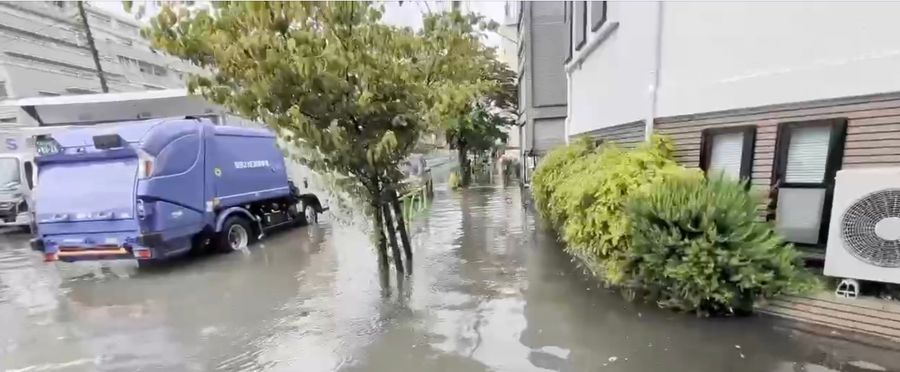
The increase of torrential downpours in metropolitan areas of Japan has sparked concerns over potential damage. Demand is growing for effective measures to mitigate the aftermath. The focus, however, is shifting towards more integrated strategies including structural, such as floodgates and reservoirs, and non-structural like land-use regulation and public awareness initiatives. Emphasis is on tackling this issue in a more holistic way to protect urban infrastructure and reduce the risk to human life.
As Japan frequently faces natural disasters such as typhoons and earthquakes, its disaster prevention measures are considered advanced. Yet, the increasing frequency of concentrated heavy rain in urban areas is posing new challenges. The public is particularly concerned about the risk to denser residential and commercial areas, calling for action from local governments and urban planners.
Natural disaster prevention is a priority both in Japan and the US/EU. While Europe relies largely on early warning systems and improving infrastructure, the US prioritizes a combination of structural modifications and social measures. However, Japan's approach is unique due to the concentration of its population and infrastructures, requiring a nuanced balance of preventative strategies compared to the more spread-out population centers of the US and EU.