
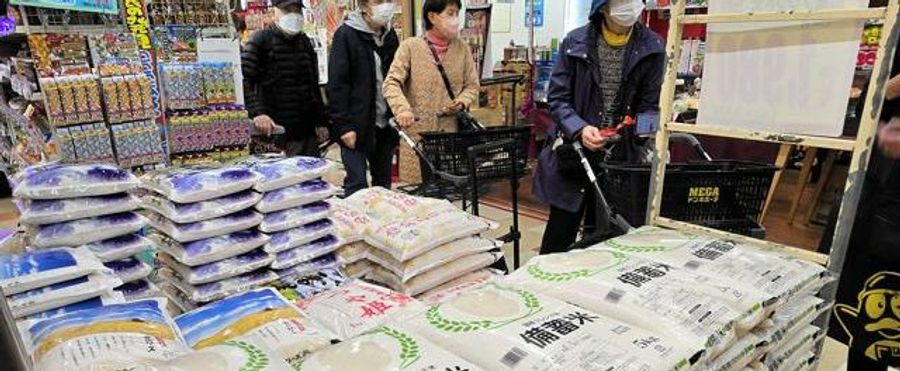
Japan's Ministry of Agriculture, Forestry and Fisheries (MAFF) is making final arrangements towards a buyback scheme to replenish the nation's depleted rice reserves. This move comes as Japan grapples with the economic fallout of the ongoing global situation and seeks to enhance its food security. Further details on the buyback strategy are still undisclosed but this initiative indicates the government's proactive stance towards maintaining a stable food supply.
In Japan, rice holds more than just dietary significance; it's a symbol of cultural heritage and national security. Stable rice supplies activate an intricate network of economic, cultural, and agricultural interests, and are a government priority. As such, policies and measures like this buyback scheme are taken with high public interest and scrutiny.
In contrast to the U.S or EU, Japan heavily relies on its own production for rice consumption, due to its unique taste preference and quality standards. Similarly, the U.S maintains a strategic grain reserve, but the insistence on domestically-sourced produce is less pronounced. The EU’s Common Agricultural Policy also provides measures for safeguarding their agricultural produce, although its approach varies significantly by product and region.