
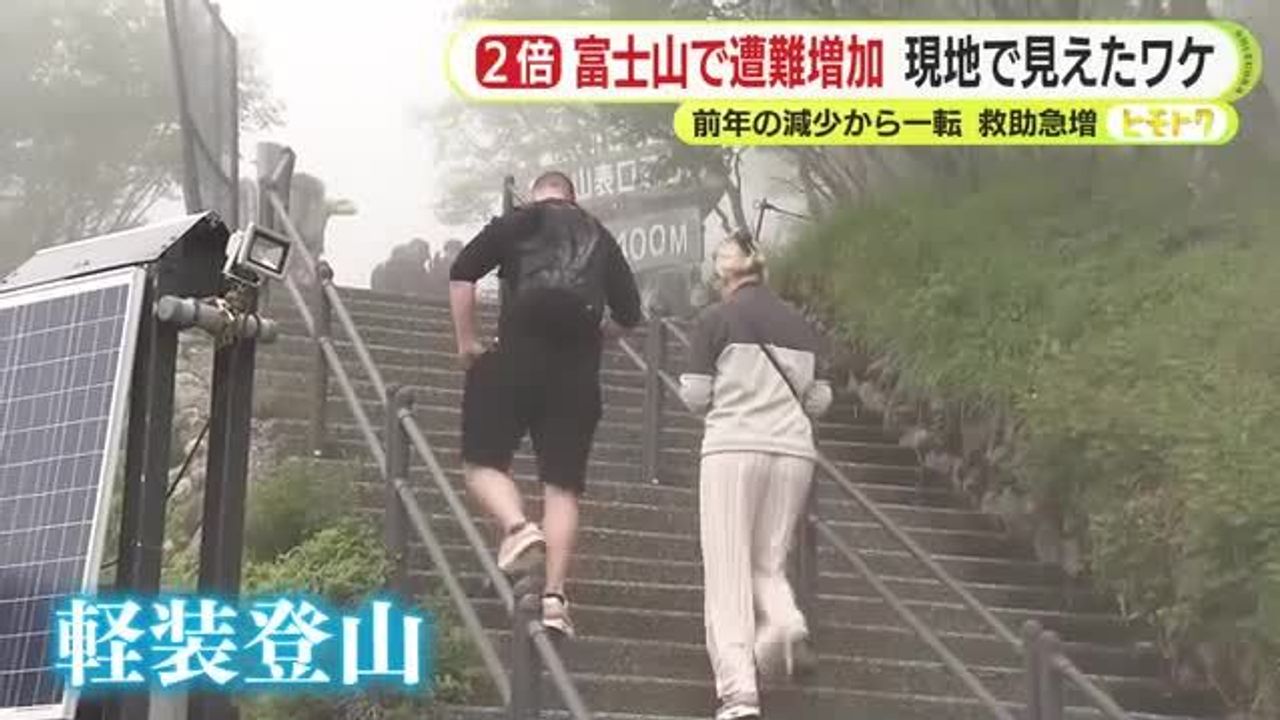
A surge in emergency incidents at Mount Fuji has been reported, strongly linked to a condition known colloquially as "sharibate," or altitude sickness. With the increase in tourists and hiking enthusiasts flocking the area, local authorities and rescue operations are now pressured to further enhance their response capabilities to meet this new challenge. Experts call for further education for climbers on the risks and prevention of altitude sickness.
Mount Fuji is a symbol of national pride and a popular tourist attraction in Japan that draws millions of visitors annually. Heightened public concern is expected given its cultural significance and the importance of tourist safety. Locals in Japan value respect for the environment and care for public safety, making this issue a significant societal conversation that may also lead to regulatory changes in hiking protocols.
In the US and EU, situations like these typically lead to a reevaluation of park policies and guidelines, focusing on visitor safety and nature preservation. Educational programs are increased, and more stringent rules for tourism and hiking are often applied, including possible restrictions or compulsory preparatory safety measures to reduce similar incidents.