
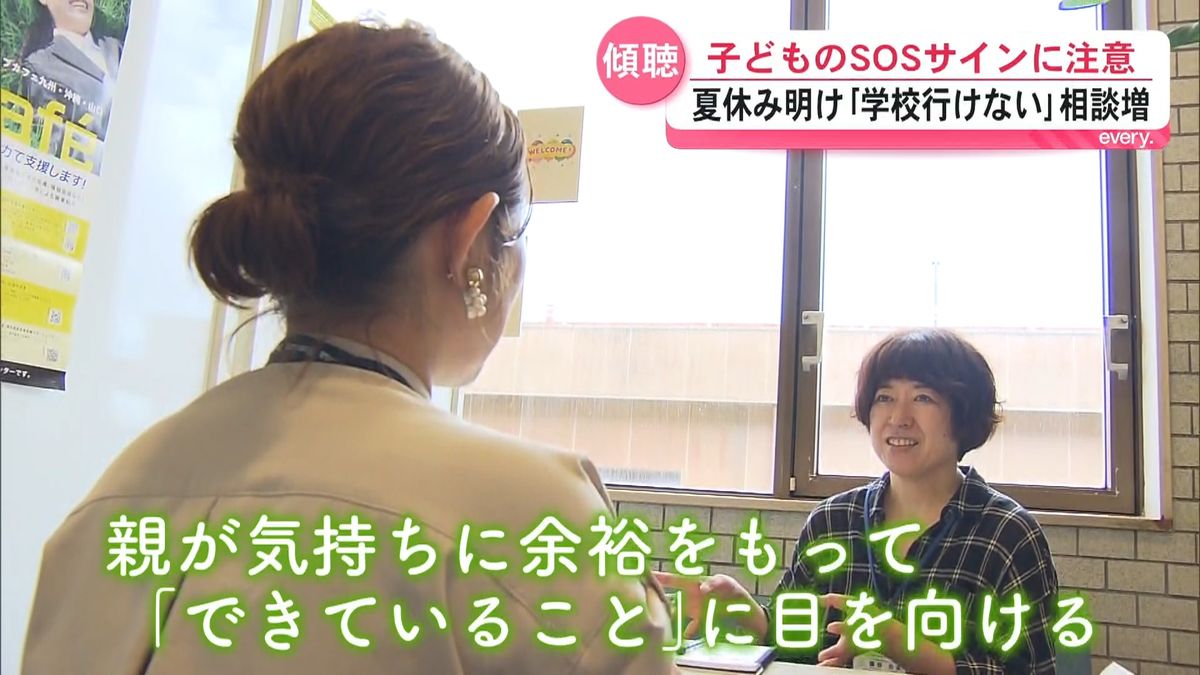
With the onset of a new school term in Japan, there's growing concern among parents and educators about children's 'SOS signals.' It is essential that these signals, often subtle signs of mental or physical distress, are identified before the start of the academic year. This report discusses how to spot such signs and what steps can be taken to address these issues timely. Also, it explores why this issue gains significant attention around the beginning of a new school term.
In Japan, the suicide rates among school-aged children spike around the dates when school terms begin, raising considerable concern. The Japanese society values academic success, and there is a widespread cultural belief that the periods of academic transition represent significant stress points for children. Thus, recognizing the 'SOS signals' in children becomes a societal concern in Japan, particularly at the start of a new school term.
In comparison, while the US and EU also grapple with the issue of school-aged children's mental health, the cultural contexts and responses are different. There is a notably increasing emphasis on mental health resources in schools and an acknowledgment of the broad spectrum of pressures children face. Moreover, the academic pressures are not as intensely aligned with specific dates as in Japan, making the stress points less concentrated.