
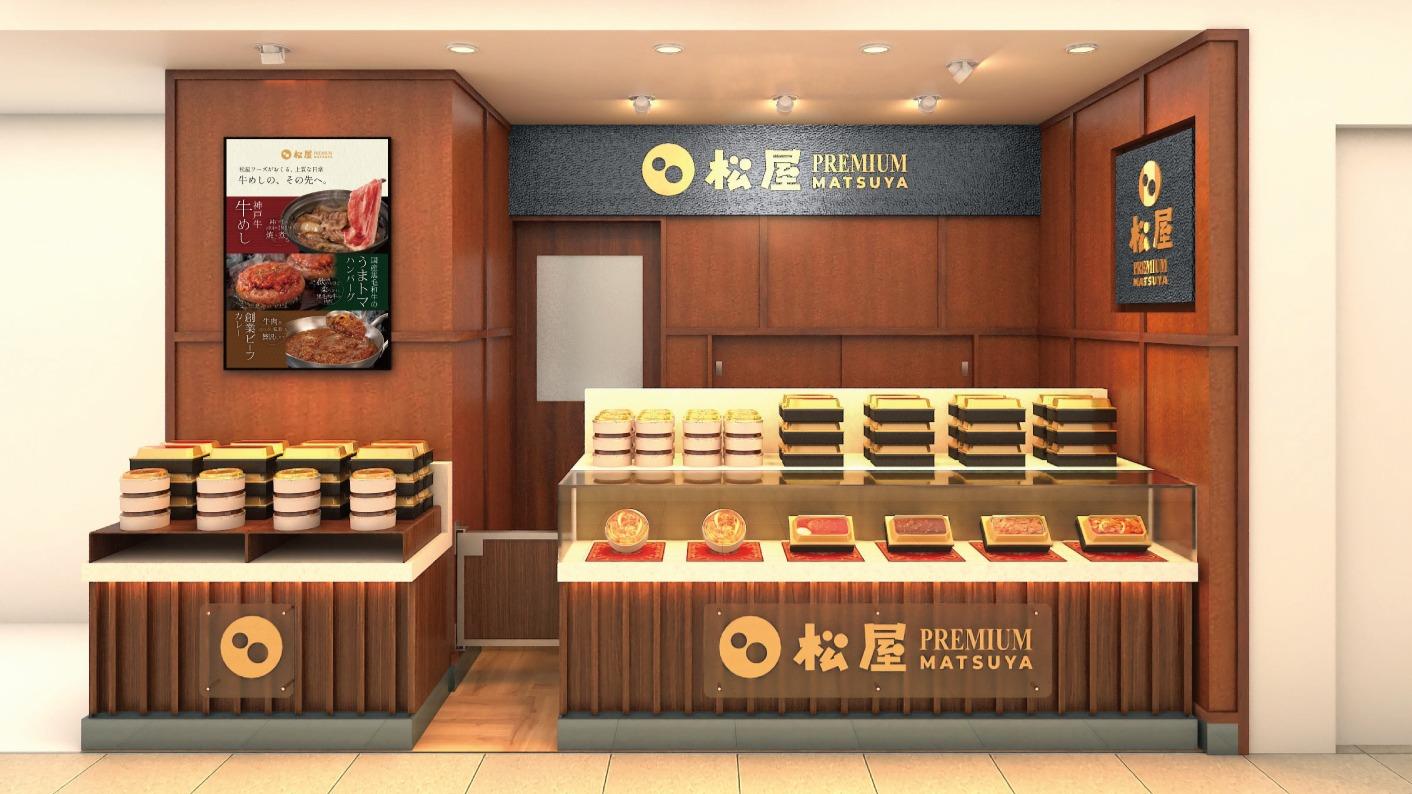
The Japanese dining industry is experiencing diametric trends of premiumization and popularization. Some restaurants are driving upmarket, positioning themselves as luxurious destinations with higher-priced menus, while others are catering to a more mass-market audience by becoming more affordable and accessible. The dynamics are influenced by changing consumer behavior and economic factors, shifting the landscape of the country's dining-out scene.
In Japan, dining out is not merely about consumption, but is deeply embedded in the culture and social norms. Both high-end and everyday dining hold their own significance. The upscale dining trend echoes Japan’s tradition of craftsmanship and pursuit of perfection, while the popularity of affordable restaurants reflects the country's value for community and harmony. Japanese consumers starting to prefer one over the other would imply significant cultural and economic shifts.
Much like in the US and EU, the tug-of-war between premium and casual dining is also prevalent. However, the direction of the shift is more influenced by economic factors - recessions generally encourage a move towards affordable dining, while economic booms tend to see a rise in upscale dining. The emphasis on cultural aspects is more pronounced in Japan.