
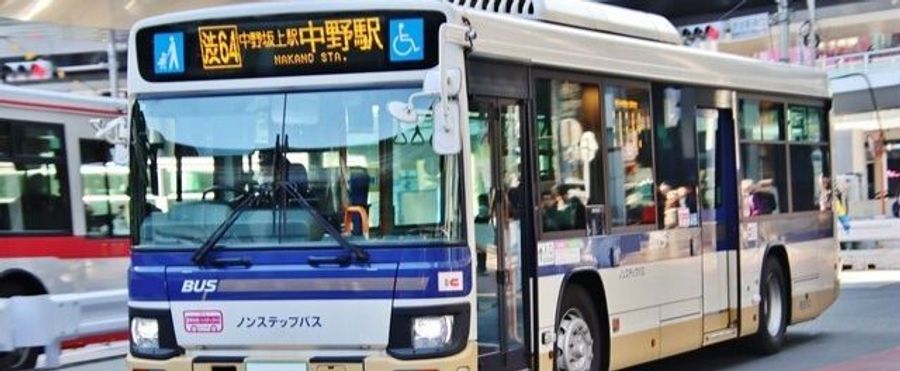
In a recent situation that left bus passengers frustrated, an illegally parked car delayed a bus for 23 minutes in Japan. The incident occurred during peak commuting hours, causing a ripple effect on transit time and schedules throughout the area. The issue of traffic law enforcement and responsibility for such delays is up for discussion. Local authorities are reportedly looking into measures to prevent similar incidents in the future.
In Japan, where public transportation is crucial for daily commuting, especially in densely populated cities, such incidents can inconvenience many people and disrupt daily routines. The social value of punctuality and efficiency mean that illegal parking, a seemingly minor offense, can have substantial community impact. Japan's stringent traffic laws reflect this societal priority.
Unlike in Japan where public transportation is prolific and punctuality is highly valued, in the US and EU, reliance on public transport varies by city and region. However, in areas where buses and trains form a crucial part of the infrastructure, similar disruptions could cause significant inconvenience. The enforcement of parking regulations may not be as stringent, leading to more frequent occurrences of such incidents.