
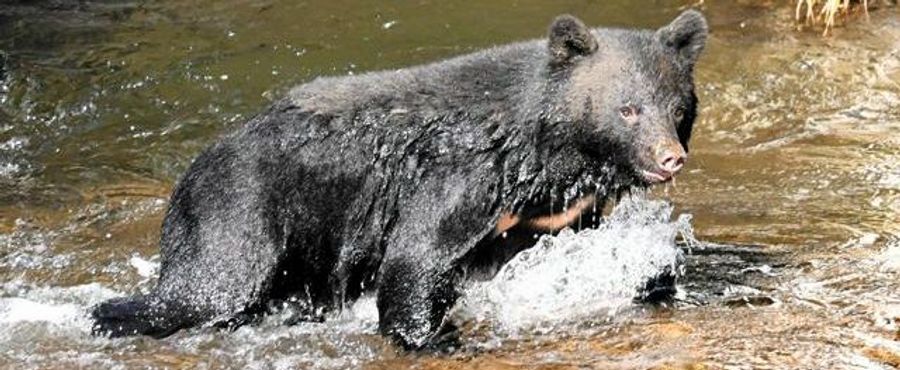
The Japanese government is aiming to fund additional wildlife conservation measures, specifically for bear management, through revenue derived from an imposed departure tax on international tourists. This recently proposed departure tax aims to ensure tourists, who benefit from interacting with nature, contribute to conservation efforts. The implementation details, timeline, and the economic impact are yet to be disclosed.
With its rich natural heritage, Japan has been dealing with increased human-wildlife confrontations. The bear population, in particular, presents a significant challenge, and managing this issue has been a topic of public significance. This novel approach of integrating tourism revenue into wildlife management resonates with the population, as it aligns with the Japanese values of responsibility and harmony with nature.
In the US, conservation funds similarly contribute to wildlife management. However, these are largely sourced from hunting and fishing licenses sales, federal taxes on related equipment, rather than a blanket tax on all tourists. In Europe, regulations might vary, but tourist taxes often get reinvested into tourist infrastructure rather than conservation efforts.