
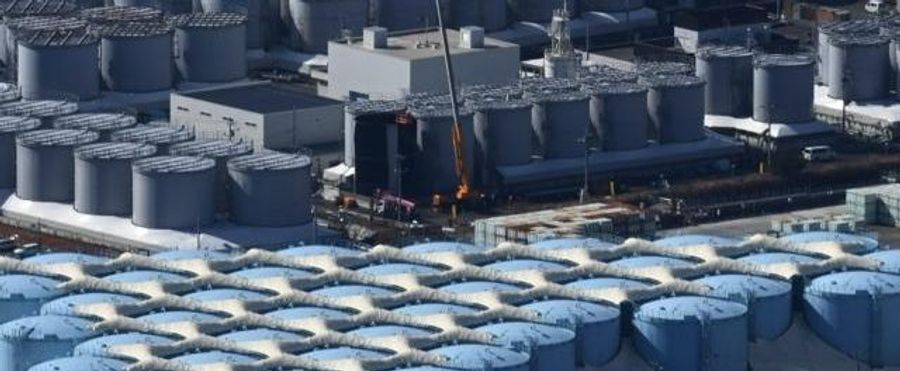
Three years after the controversial decision to release treated water from the Fukushima nuclear accident, Japan has reported a reduction of 7% in tank storage. This comes amidst ongoing efforts to manage and reduce the environmental effects of the 2011 disaster. The handling of the water, which is reported to contain traces of radioactive material, has been a major international concern and touchpoint in discussions around nuclear energy safety.
In Japan, the release of treated water from the Fukushima disaster has been a contentious issue due to deep-seated fears about radiation, environmental damage, and harm to food chains, particularly those of fish. The government's management of the situation is closely monitored and regularly discussed in public forums. The 7% decrease in storage has been met with mixed reactions, as it represents progress in quite a complex and drawn-out clean-up process.
In the US and EU, nuclear disasters are treated with equal gravity. For instance, the Chernobyl disaster is still the subject of ongoing cleanup and containment efforts. However, the public and environmental response can vary greatly, with some countries being more accepting of nuclear energy despite the risks, while others definitively moving towards sustainable alternatives.