
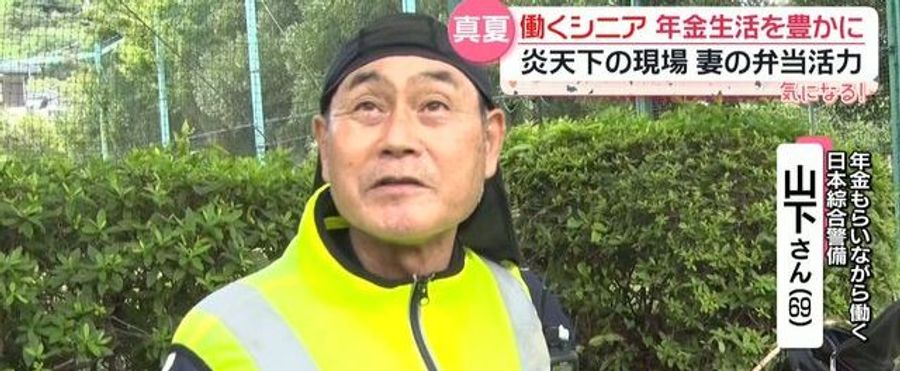
Amid rising temperatures, many senior citizens in Japan continue to work strenuous jobs despite receiving pensions. This trend has been increasingly evident in recent years due to insufficient pension income making it challenging for them to sustain their lifestyle. This development poses essential questions regarding Japan's ageing society, the adequacy of pension income, and the broader structure of its social security system.
In Japan, due to its ageing demographics, caring for the elderly, including their financial stability, is a significant concern. While the government provides pensions, the size of pensions has become a frequent point of contention, as they often leave seniors with little room for leisure or unexpected expenses. Therefore, many seniors often have to resort to engaging in laborious work, even during extreme weather conditions, to supplement their pension income.
In comparison, in countries such as the US or EU member states, pension systems also have challenges but are often supplemented with other forms of social aid, such as subsidized housing, food vouchers, and utility aid. Moreover, there are more policies and initiatives to engage the elderly in less physically demanding roles, focused on their skill and experience utilization, unlike in Japan where they often work in labour-intensive jobs.