
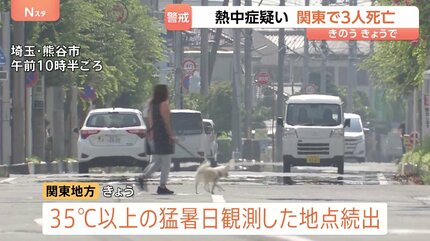
Japan's Kanto and Kyushu regions continue to battle intense summer heat, with no signs of letting up. The Japan Meteorological Agency warns citizens to take necessary precautions to cope with the relentless heatwave. Despite the season's festivities, safety measures, including hydration and avoiding outdoor activities during peak times, have been emphasized. Although weather is unpredictable, the current forecast hints at this extreme heat persisting.
In Japan, where a high premium is placed on health and safety, the extreme heat is not just a matter of discomfort. It becomes a national concern. During past heatwaves, there have been incidences of heat stroke, prompting strong public appeals by the government and local bodies for people to take precautions seriously. Various initiatives are also undertaken, such as cool-spot maps and emergency heat stroke drills.
In the US, heat advisories are also issued during periods of high temperatures. However, the difference lies in the infrastructure. In contrast to Japan's densely built-up cities, American homes in suburban areas and rural towns are often equipped with central air conditioning. In Europe, extreme heat is less common, but recent years have seen unprecedented heatwaves leading to similar warnings and precautions.