
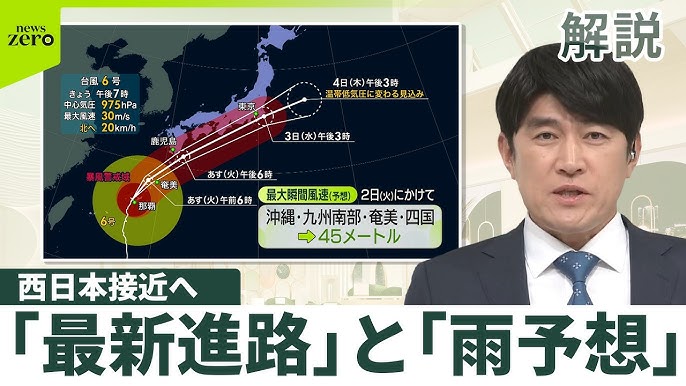
Okinawa islands are preparing for the upcoming challenge of consecutive typhoons. The local meteorological agency has issued heavy weather warnings, urging residents to stay vigilant and adhere to safety protocols. The exact landfall sites and potential aftermath of these successive cyclones remain unclear. This story continues to evolve as authorities closely monitor the situation, prioritizing public safety and disaster response readiness.
Japan is a country that frequently experiences typhoons, particularly during July to October, the official typhoon season. In such situations, the Japanese government and people place significant importance on disaster preparedness, individual safety, and community solidarity. Taking prompt, decisive action in response to meteorological updates is a widespread cultural norm.
In the US or the EU, hurricane and tornado warnings, respectively, are the counterparts to Japan's typhoons. These regions also prioritize public safety and disaster preparedness. However, the frequency and severity of these natural disasters may vary due to geographical differences. In light of the unique challenges they face, Japan's disaster response protocol is often considered one of the best globally.