
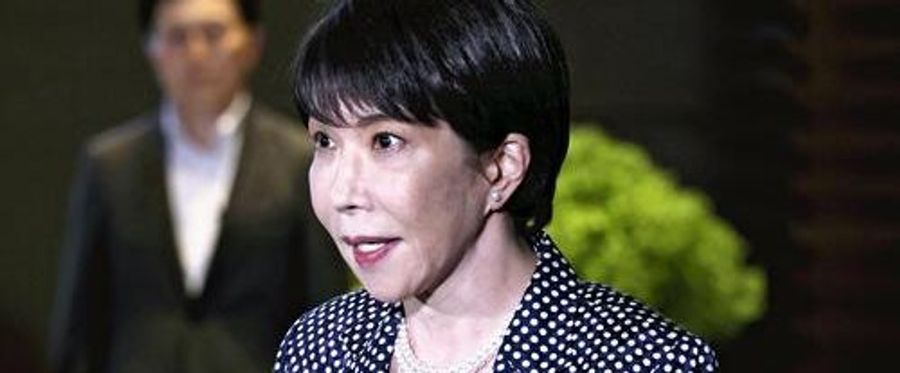
In the wake of an intense leadership election, Japan is revamping its cabinet. There's significant attention focused on the treatment of the four main contenders who took part in that election. The restructuring will indicate the party’s future direction and the potential influence of the election competitors. While details are not yet concrete, this reshuffle could influence significant political maneuvers and policy changes.
In Japan, political reshuffles and cabinet changes are closely watched by the public and media. They reflect the balance of power within a party and the policy direction a leader intends to take. The fate of the leadership election contestants indicates their political relevance and can generate public sympathy if viewed as unfairly penalized.
Similar to Japan, cabinet reshuffles occur in the US and EU and are also representative of the political landscape. The treatment of political competitors is analyzed for the influence they might wield in the future. While the context may vary depending on the political system – such as the party-based system in Japan versus the individual-based system in the US, the elements of power balance and policy direction are universal.