
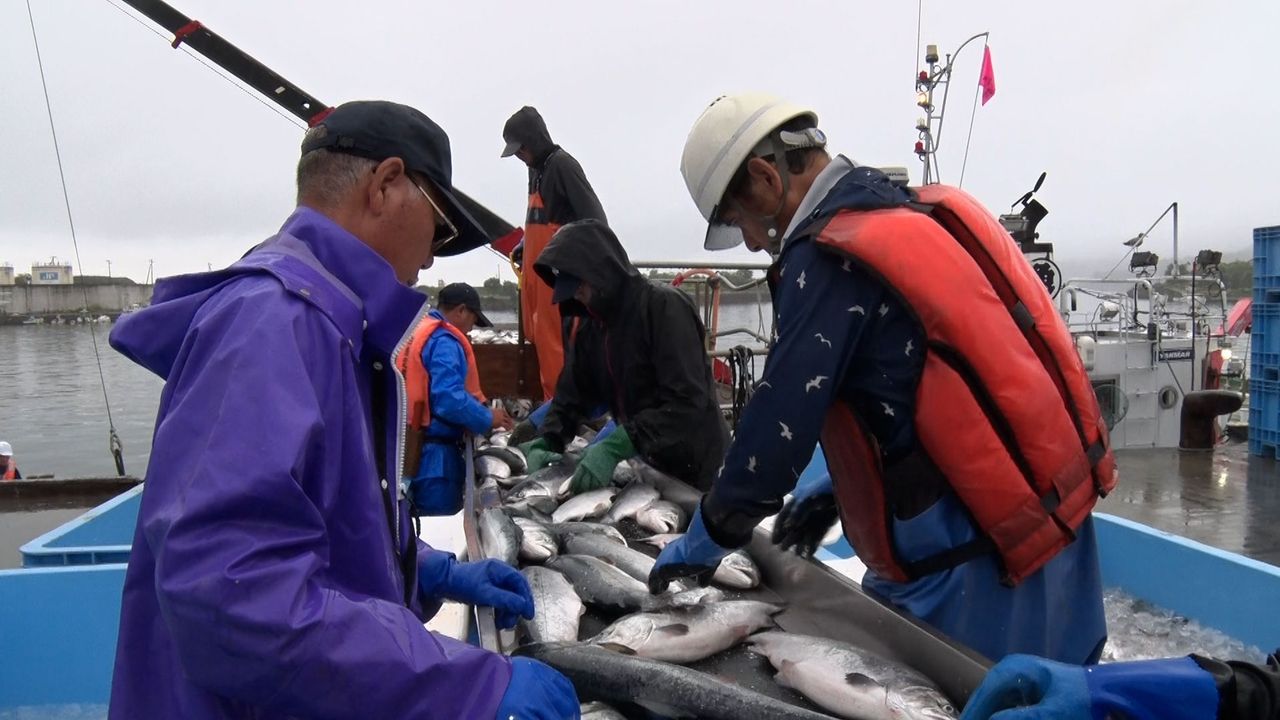
In an unexpected turn of events, the autumn salmon population in Japan has significantly decreased. This has raised an alarm among local fisheries who heavily rely on these seasonal catches. Reasons for this slump are currently under investigation, though environmental changes and overfishing may have contributed. The impact on the local economy, environment, and food chain is predicted to be substantial.
In Japan, the autumn salmon is not just a source of food but a cultural signifier of seasonal change. Both the public and the government are concerned about sustainability in fisheries, prompting measures for resource conservation and managed fishing. The sudden drop in salmon numbers thus strikes a chord within the national consciousness, incentivizing the need for immediate attention and potential policy changes.
In the US or EU, similar issues of declining fish populations have been addressed with regulations on fishing and efforts towards habitat restoration. This news might provoke a similar response in Japan, where addressing environmental and sustainability issues is of high priority.