
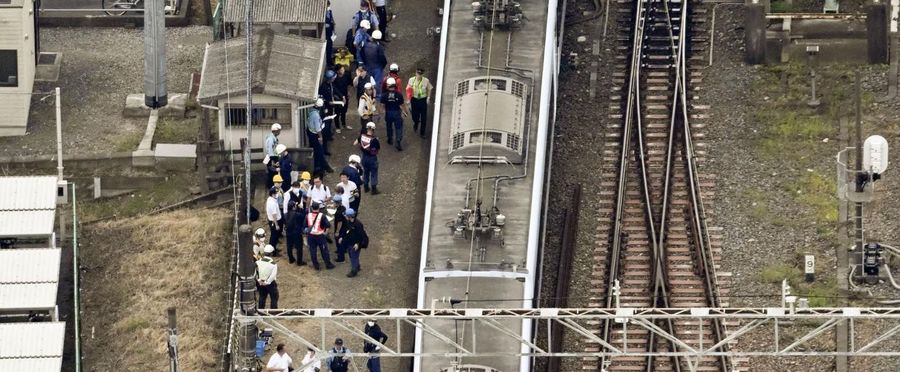
In a tragic incident, four people lost their lives when a train allegedly entered a station complex at a speed of 50 km/h. Circumstances around the accident remain unclear, with investigations underway. The accident has cast a spotlight on railway safety protocols, sparking conversations around existing mechanisms and the need to enhance these measures. The incident occurred amid the typically bustling railway atmosphere, causing shock and distress in the community.
Railways form a central component of Japan's daily life, carrying millions of commuters each day. Ensuring the safety of these passengers is a prime concern for everyone, from government officials to everyday residents. Deaths linked to rail accidents, especially within station premises, are considered a serious issue. Further, such incidents also stir up discussions about mental health and societal pressures associated with commuting.
In comparison to the US or EU, Japan boasts one of the safest and most efficient railway systems, making such accidents relatively uncommon. Countries like the US and EU have their safety protocols, including automatic train protection systems, signaling checks, and controlled-speed sections. However, such incidents' shock and concern are similar across all regions, leading to a universal call for increased safety protocols and investigations.