
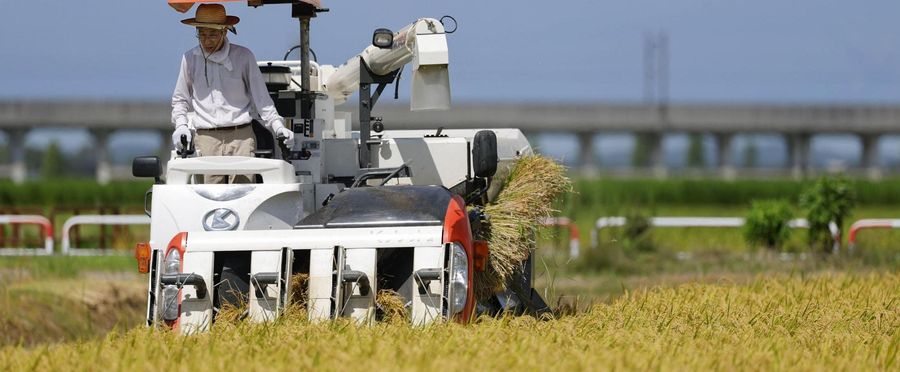
According to Japanese forecasts, the 26th new rice harvest is projected to significantly decrease in price. This drop, considered substantial by industry professionals, could impact national growers, the overall market, and consumers. While factors contributing to this prediction remain undisclosed, experts anticipate the rice price slump to shape Japan's agricultural landscape in the forthcoming fiscal year.
Rice is integral to Japanese society, culture, and economy – it's not just a food staple but also a symbol of prosperity. Any fluctuation in rice prices can significantly impact rural economies and affect national sentiments about economic stability. Moreover, rice price is a significant factor in Japanese politics, with policymakers often finding a balance between ensuring farmers' profits and maintaining affordable prices for consumers.
In the US/EU, similar issues would likely be handled with the potential enactment of agricultural subsidies. Price drops in critical agricultural products are often mitigated by providing welfare supports to farmers and ensuring fair market practices. Such mechanisms allow farmers to cope with market volatility, preserving the stability of rural economies and food supply.