
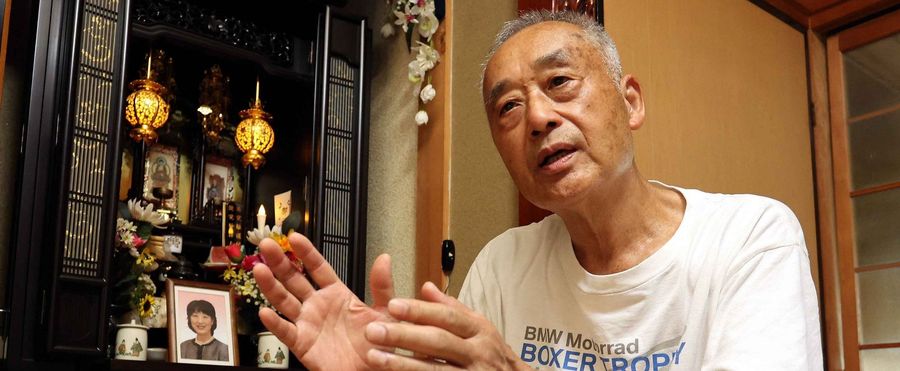
A fatal landslide disaster in Hiroshima has left one man in despair, mourning the loss of his beloved wife. The incident occurred early morning, leaving residents little time to escape. This sorrowful narrative underscores the chaos and loss experienced by many in the city, shedding light on the personal tragedies dwelling beneath widely-reported casualty statistics. The man's profound regret echoes throughout the community, raising questions about disaster preparedness and response.
Natural disasters are a part of life in Japan, a reality the country effectively mitigates through comprehensive disaster management systems. However, each disaster is met with a national sense of grief and unity, underpinned by societal values of harmony and community. This incident has sparked discussions on individual responsibility and the importance of disaster preparedness.
In the U.S. or EU, where such disasters are less common, the emphasis is often more on post-disaster recovery and rehabilitation rather than habitual preparedness. Community reactions are likely to mirror those in Japan, encompassing shock, grief, unity, and discussions regarding disaster preparedness and response.