
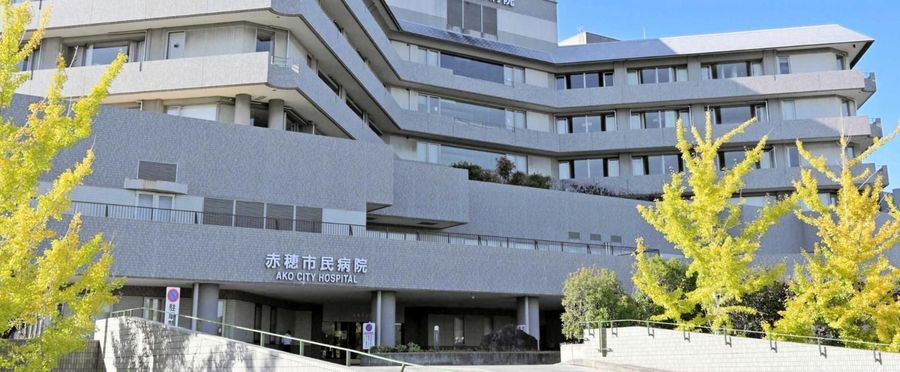
Akō City, located in Hyogo Prefecture, is set to lay off around 130 non-regular employees in an ostensible cost-cutting measure. While the exact reasons for the cutbacks remain unclear, the move is expected to significantly impact the local economy, triggering concerns among labor unions and social welfare advocates. Implementation of the employment terminations is expected to occur shortly, but full details and the eventual fallout remain fluid.
In Japan, the issue of non-regular employment—such as part-time, contract, temp, or dispatched work—is a hot topic. Workers in these positions often lack job security and face financial instability, and they can be the first to go in cost-cutting measures. Social values in Japan highly regard stable, secure employment and any threat to this is often greeted with widespread concern and often, protests from labor unions.
While the problem of job insecurities is global, this issue might be dealt differently in the EU or US. There, temporary or contract workers may be shielded by more extensive labor laws or social security measures, although this varies significantly. For instance, in the US, such employees could potentially receive unemployment benefits, and in the EU, efforts have been made to strengthen protections for non-regular workers.