
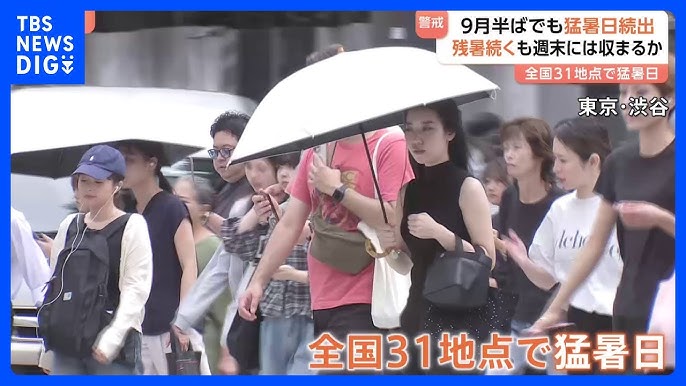
Japan is preparing for potentially searing heat from Kyushu to the Tokai region. Amid reports of brutal heatwaves, citizens and communities are being urged to exercise caution. The exact timeline is uncertain, but the weather agency and other authorities are closely monitoring the situation. The extreme temperatures may trigger health conditions, especially among the elderly, children, and people with chronic illnesses. The authorities are encouraging people to stay hydrated and refrain from unnecessary outdoor activities during the peak heat.
Heatwaves in Japan often trigger concerns about the elderly population, who are at a higher risk of heat-related health issues. Government initiatives aim to ensure citizens' wellbeing during such events, with measures like proper hydration and cool-off spots. The heatwave also emphasizes the importance of climate change discussions in Japan as these extreme weather events become increasingly common.
Heatwaves in the US or EU are treated similarly, with health advisories issued and resources provided to keep citizens safe and informed. Differences arise in response measures; for example, the US often opens "cooling centers" in public spaces during heatwaves for those without air conditioning. European countries like France have specific national heatwave plans in place after experiencing deadly heatwaves in the past.