
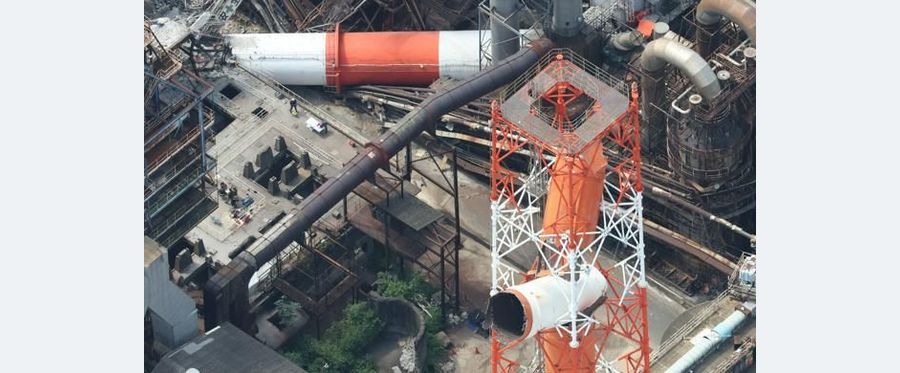
Following the recent catastrophic earthquake that resulted in the collapse of several factory chimneys, the Japanese government has embarked on a nationwide investigation to assess the safety and condition of similar industrial facilities. The aim is not only to prevent future mishaps but also to mitigate the environmental impact attributed to collapsed chimneys and the resulting industrial pollution. Further reports on the initiative's results and consequences are awaited.
In Japan, earthquakes are frequent due to location in the pacific 'Ring of Fire', thus safety and preparedness are central in the national consciousness. The structural integrity of buildings, especially industrial facilities, holds high importance due to potential risks to lives and the environment. The government's swift action echoes Japan's strong emphasis on citizen safety and their commitment to environmental sustainability.
In the US or EU, industrial safety is a significant concern, however, earthquake preparedness might not be of the same emphasis given lesser geological activity. Still, national-level investigations following infrastructural failures are common including strict regulations in place to control industrial pollution. Such policies are usually enforced by Environmental Agencies and Industrial Safety Commissions.